Gallerie dell'Accademia
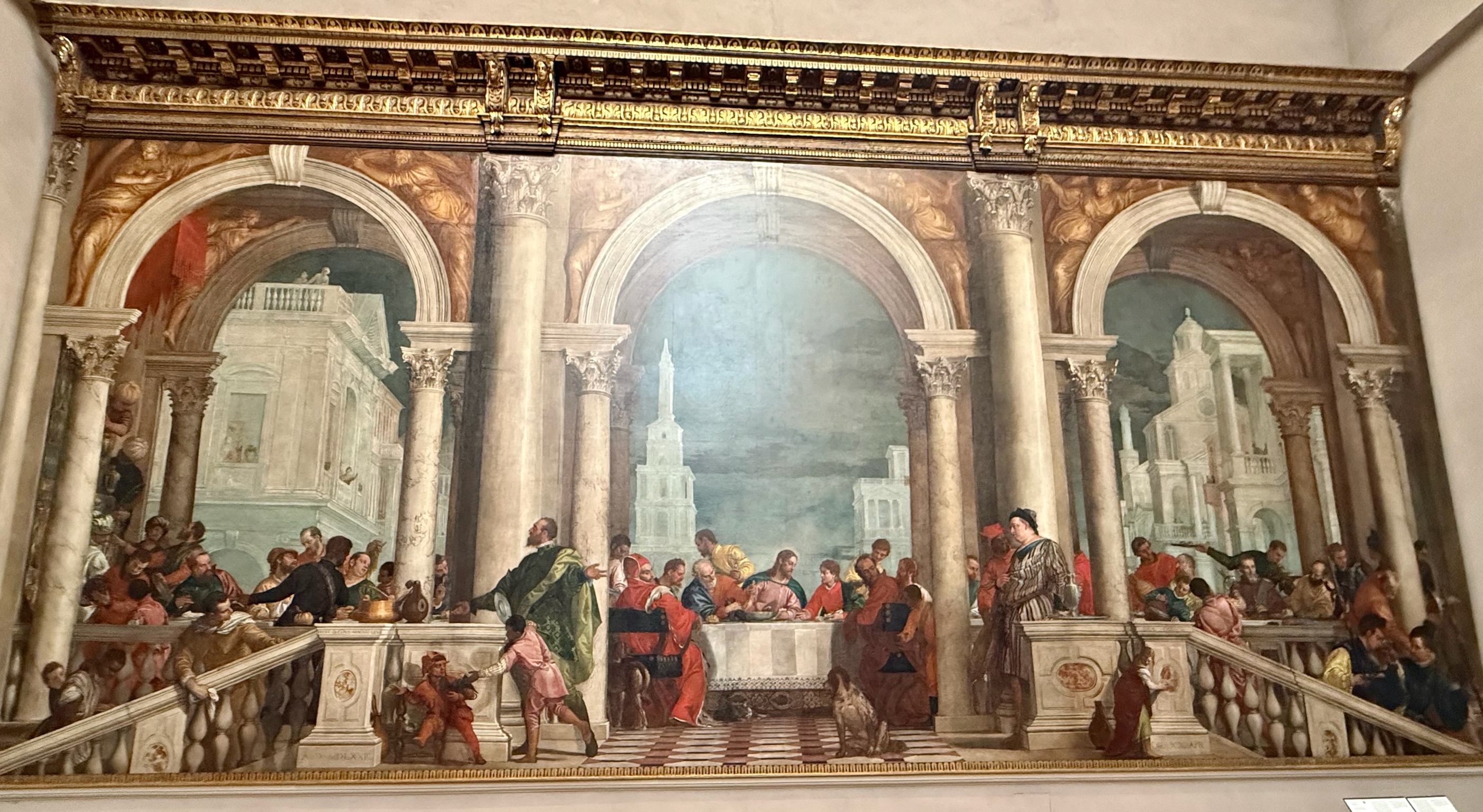
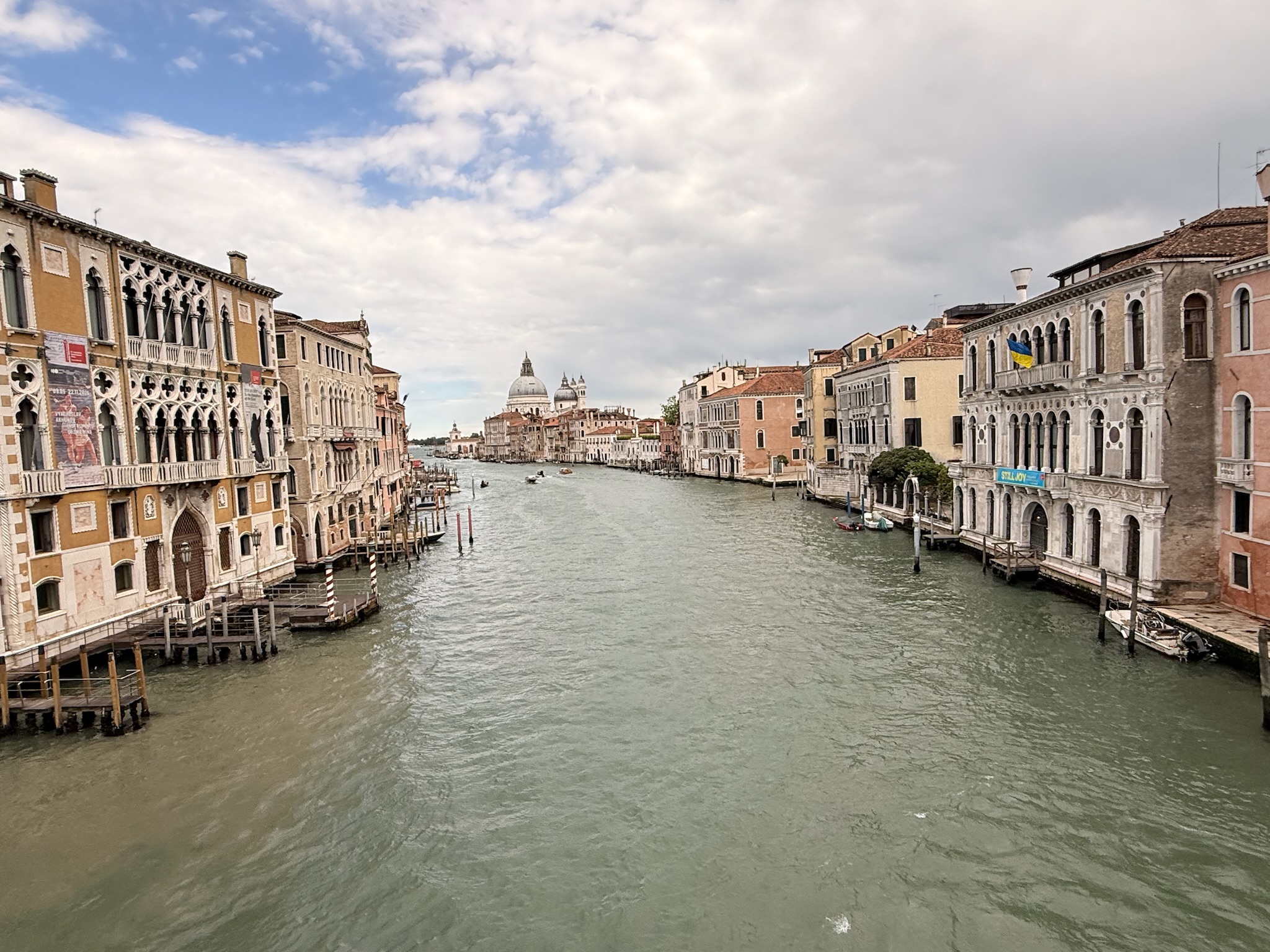
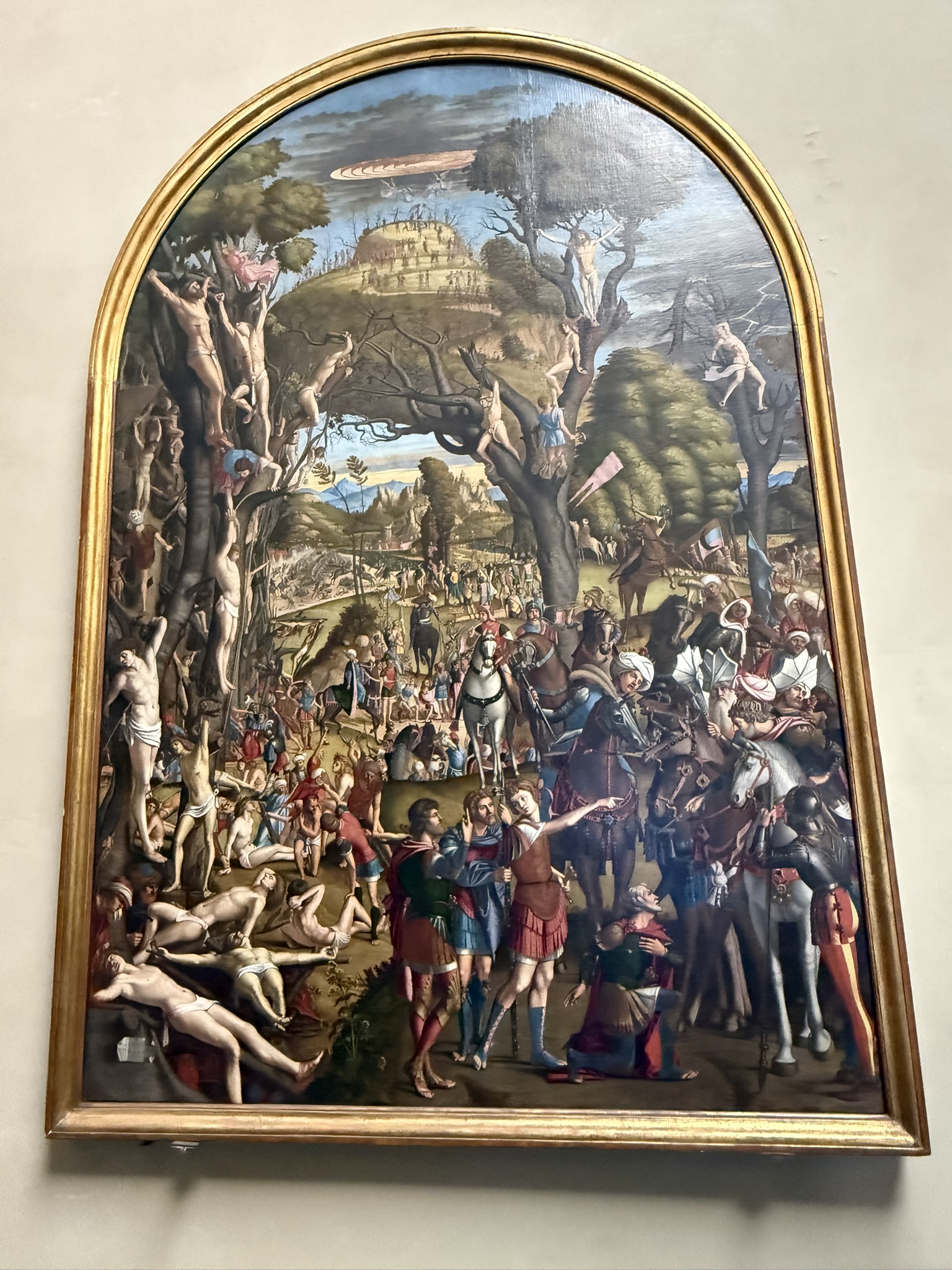
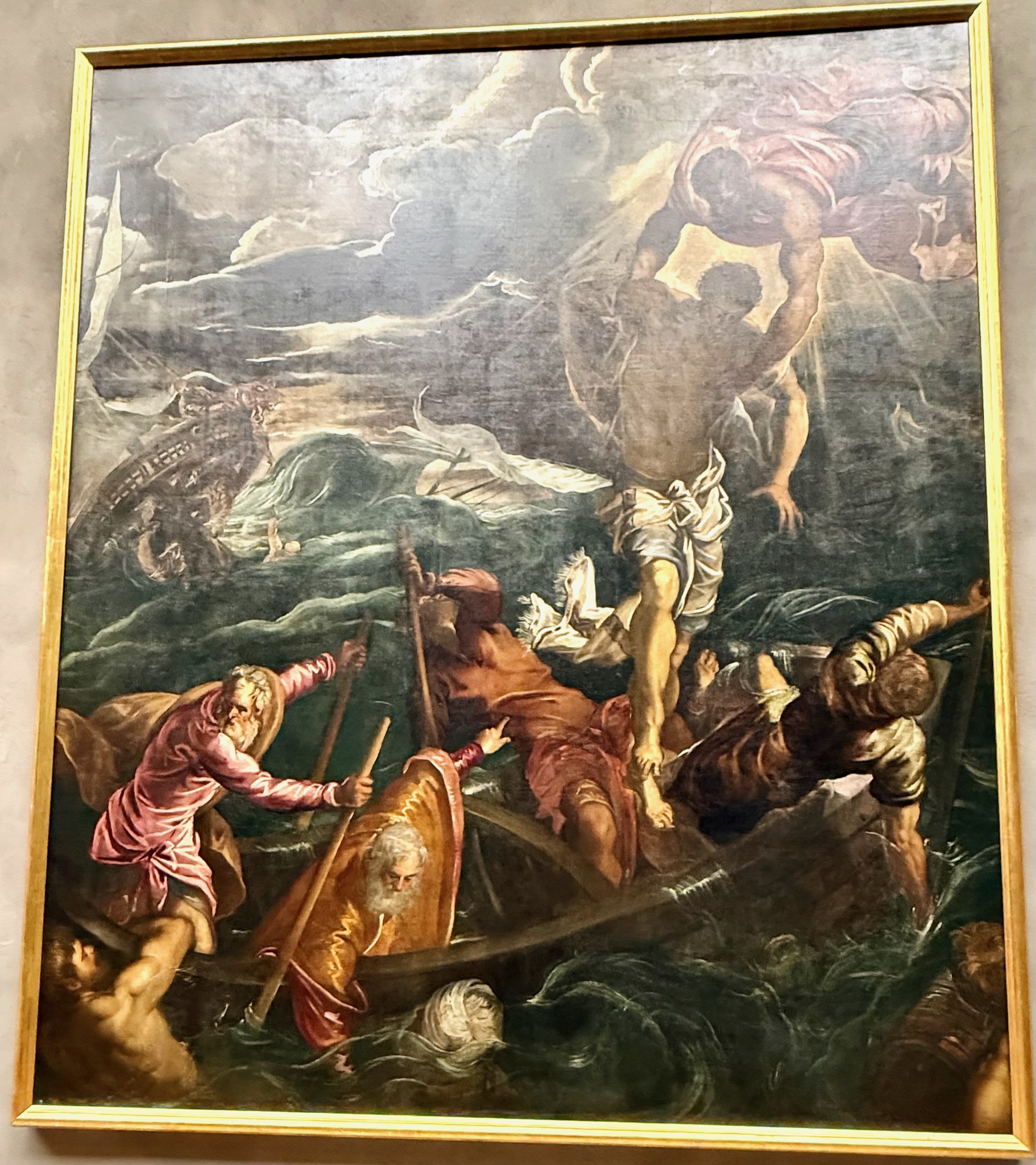
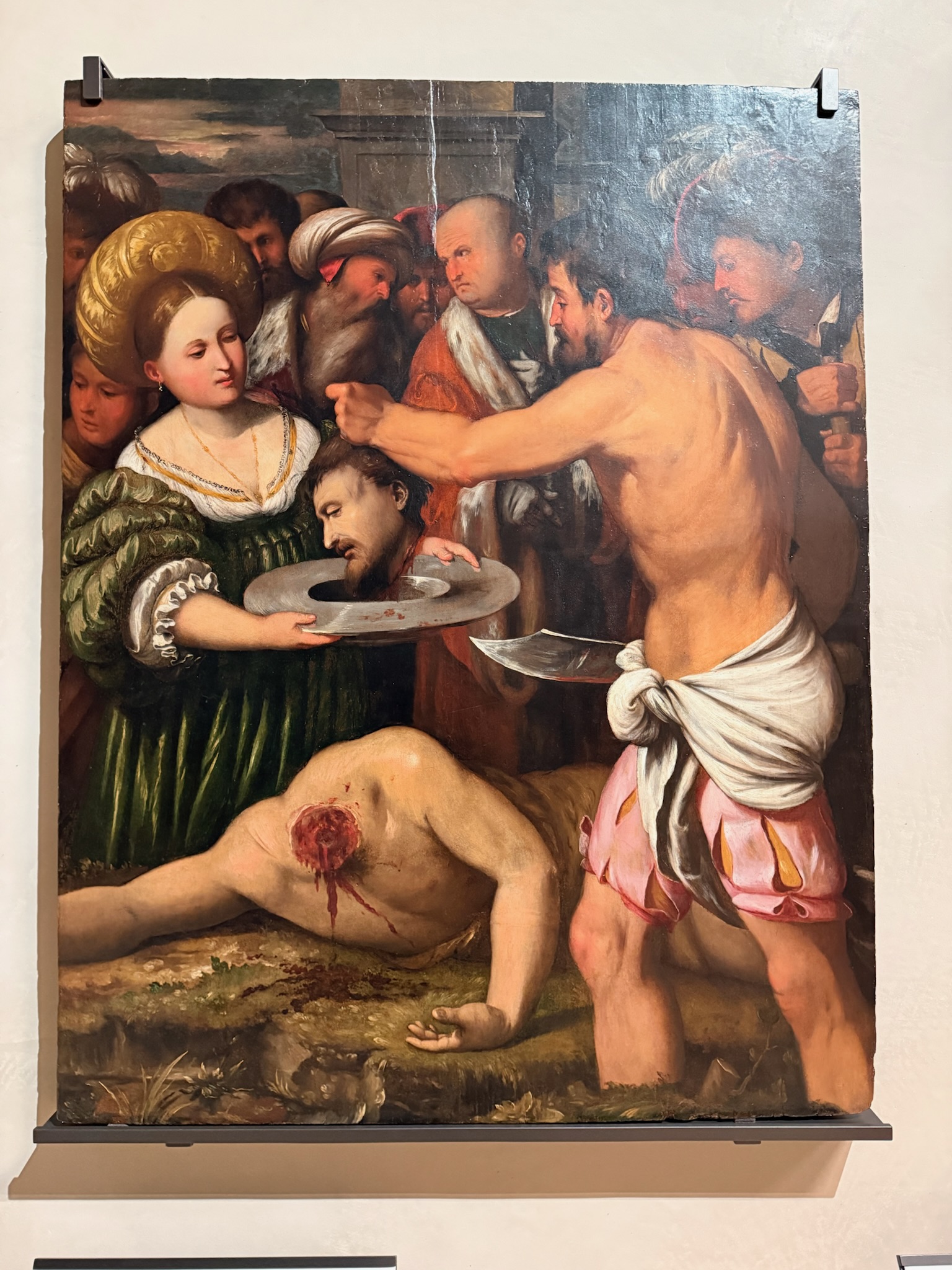
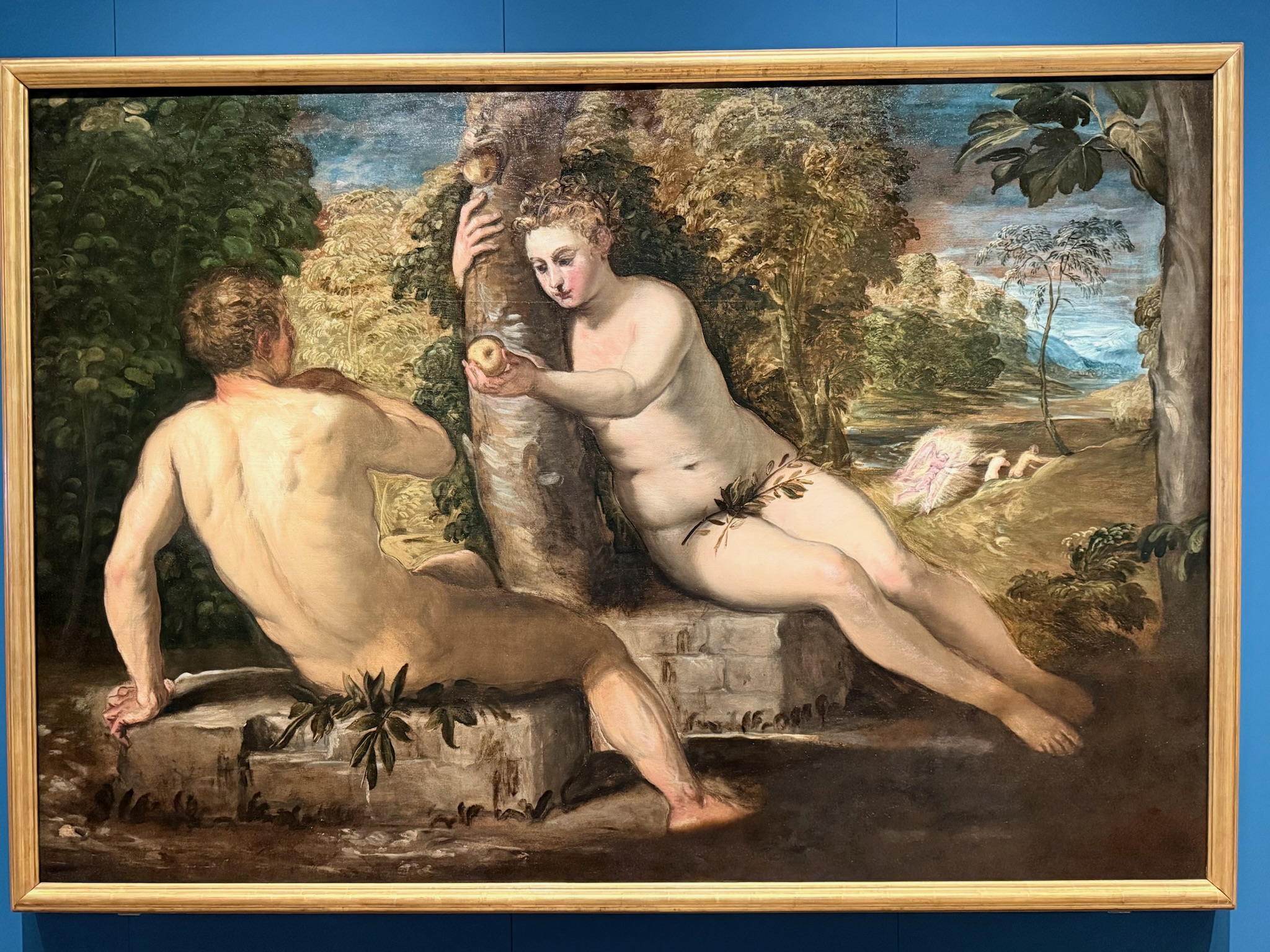
No picture could ever do these places justice, and the Accademia was the first place in Venice to show that. Housed in the former Scuola della Carità along the Grand Canal, the museum walks you through five centuries of Venetian painting, room by room, roughly in chronological order — starting with gold-backed Byzantine and Gothic icons and working forward through the Renaissance, the Baroque, and into the 18th century. It's less a museum in the usual sense and more a walk through the entire visual history of the city, told by the people who actually painted it.
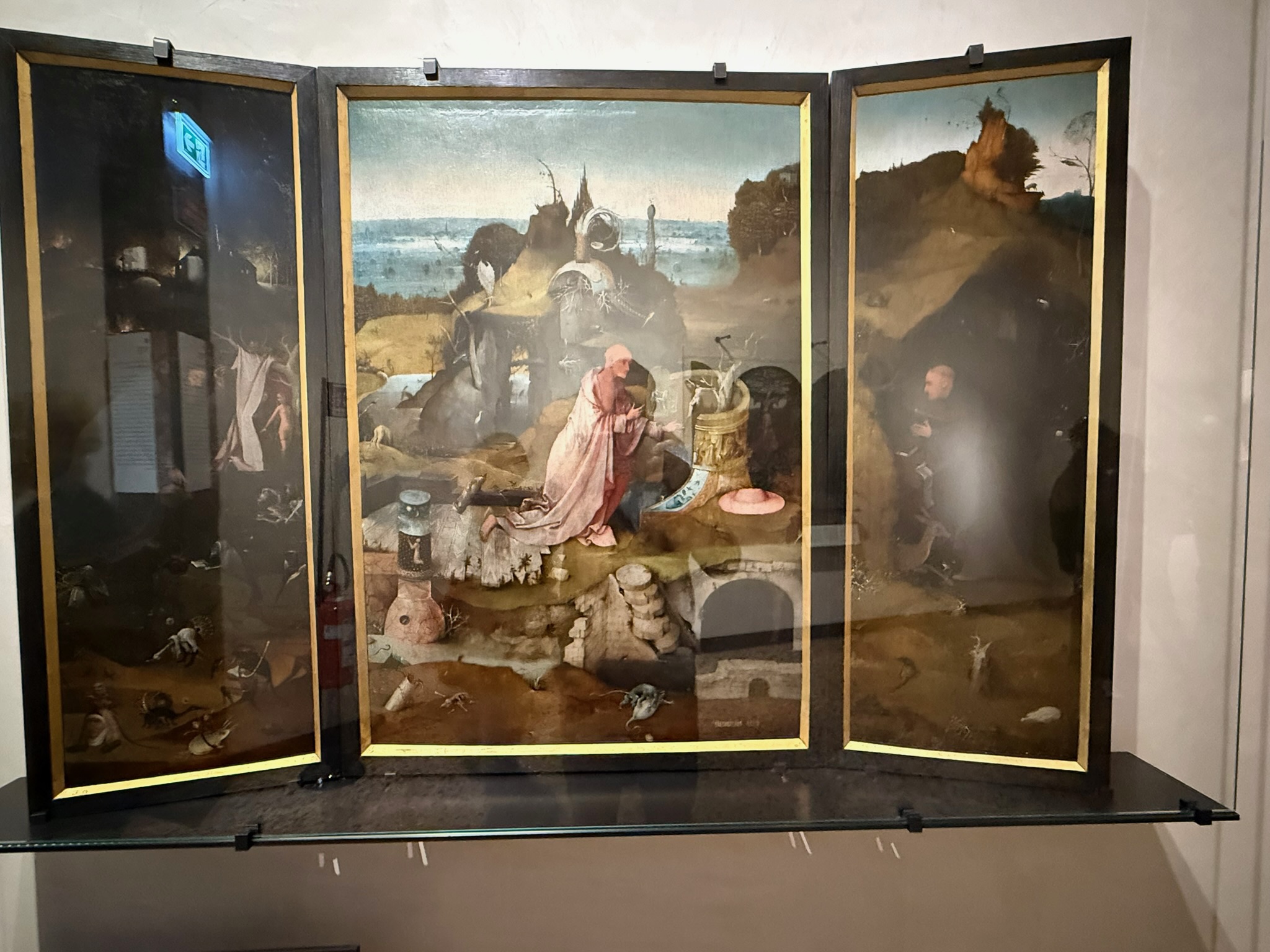
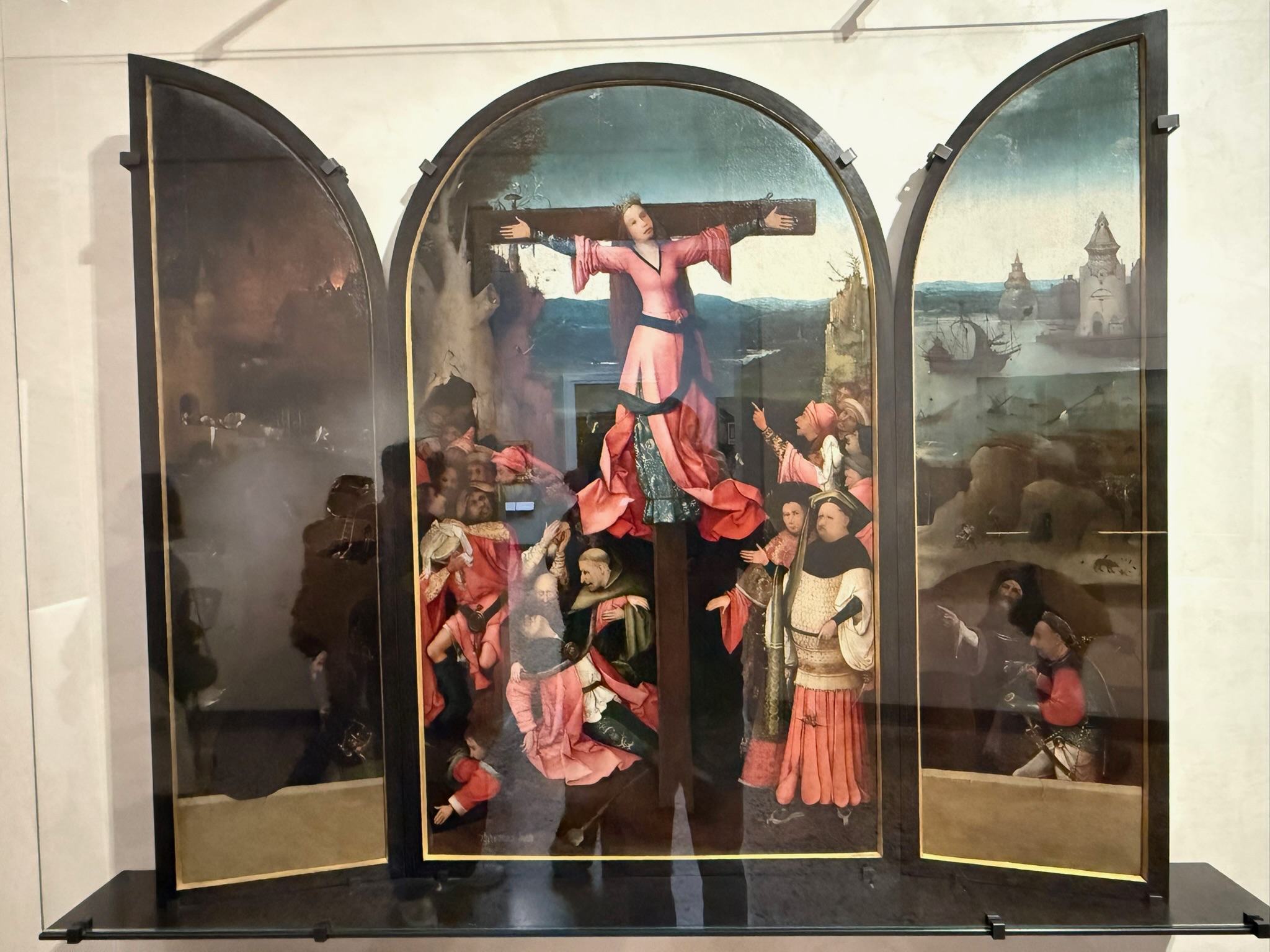
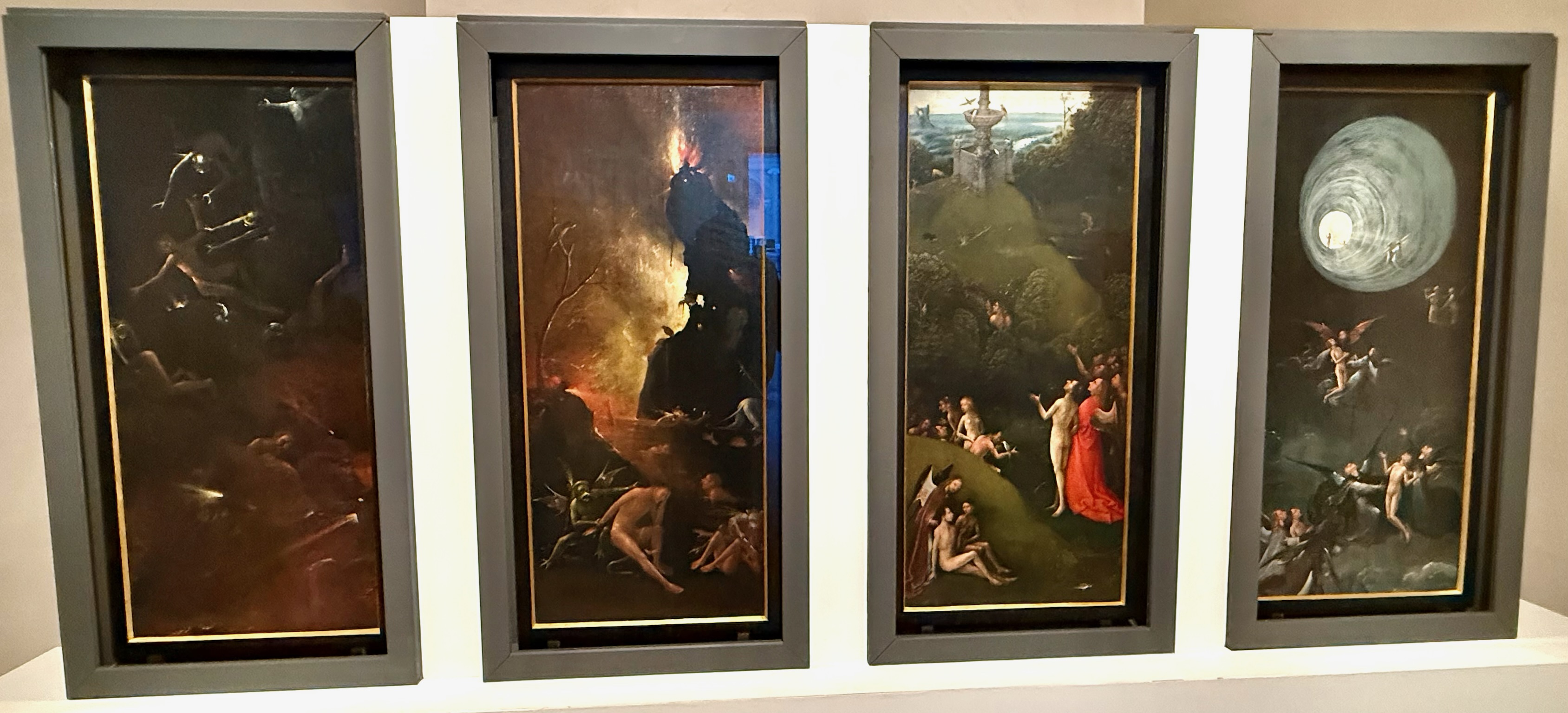
And Bosch is very much part of the Accademia's story too. Tucked into the collection are several small, strange, unforgettable panels by Hieronymus Bosch — including the four-panel Visions of the Hereafter, depicting souls ascending toward a tunnel of divine light on one panel and falling into hell on another. These paintings have been in Venice since the 17th century, originally part of Cardinal Domenico Grimani's collection and actually housed inside the Doge's Palace itself before eventually making their way to the Accademia. Bosch is in a category completely alone — painting in the late 1400s and early 1500s, contemporary with the Italian Renaissance, but conjuring nightmare visions that feel like they belong to a much later century entirely.
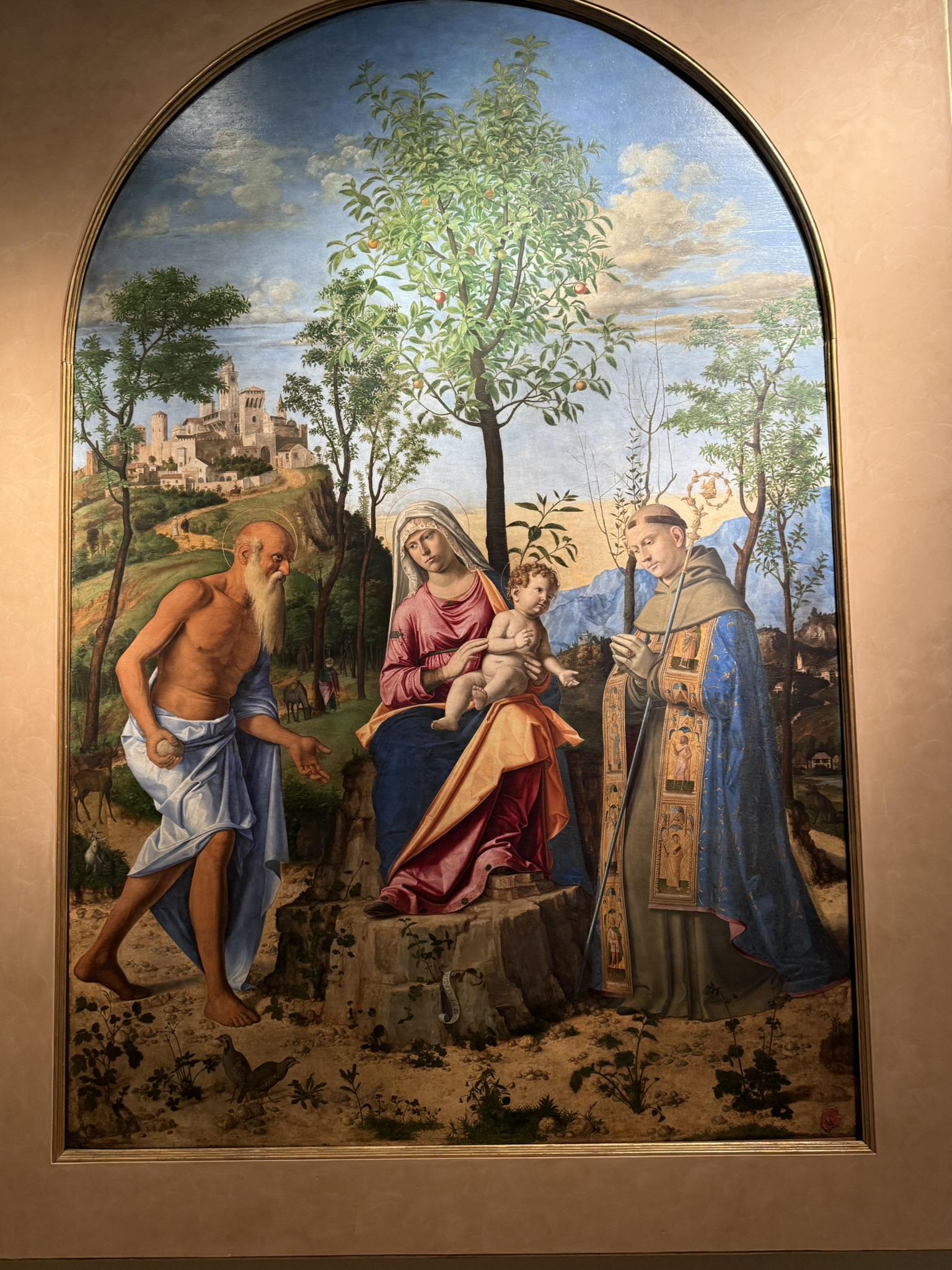
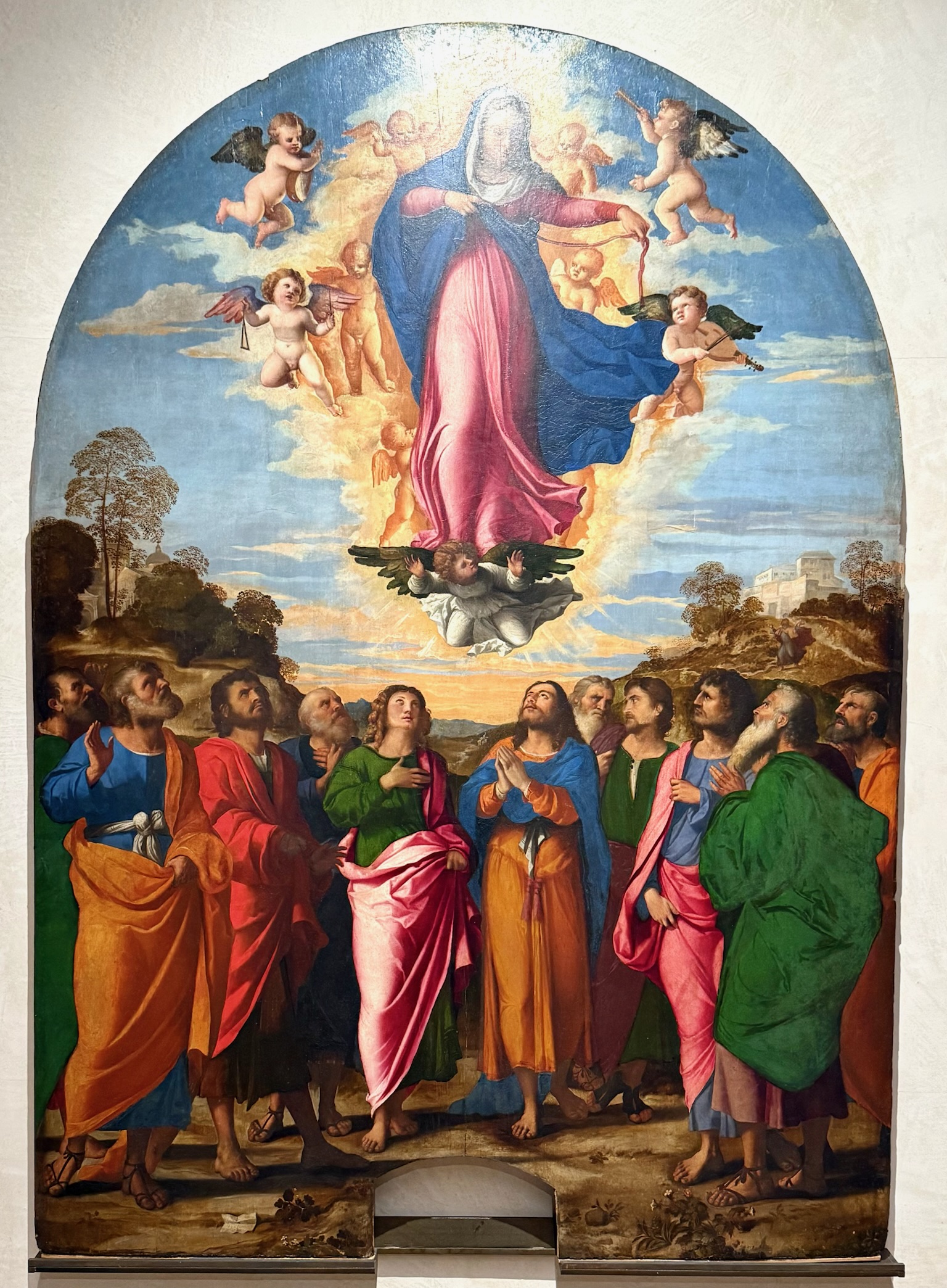
One of the more striking small details in the Accademia's Renaissance rooms is the color blue — specifically the deep, glowing ultramarine used in the robes of the Virgin Mary throughout Venetian religious painting. Ultramarine was made from ground lapis lazuli, mined almost exclusively in Afghanistan, and was so expensive it was literally worth more than gold by weight — reserved for the most sacred figure in any composition. Venice, sitting at the end of trade routes running through the Middle East, had better access to the pigment than almost anywhere else in Europe, which is part of why Venetian color feels so extraordinarily rich compared to painting from other regions of the same period.
Standing in front of paintings that old, made for churches and confraternities that in some cases don't even exist anymore, is a strange kind of time travel.