St. Mark's Basilica, Doge's Palace & the Canals
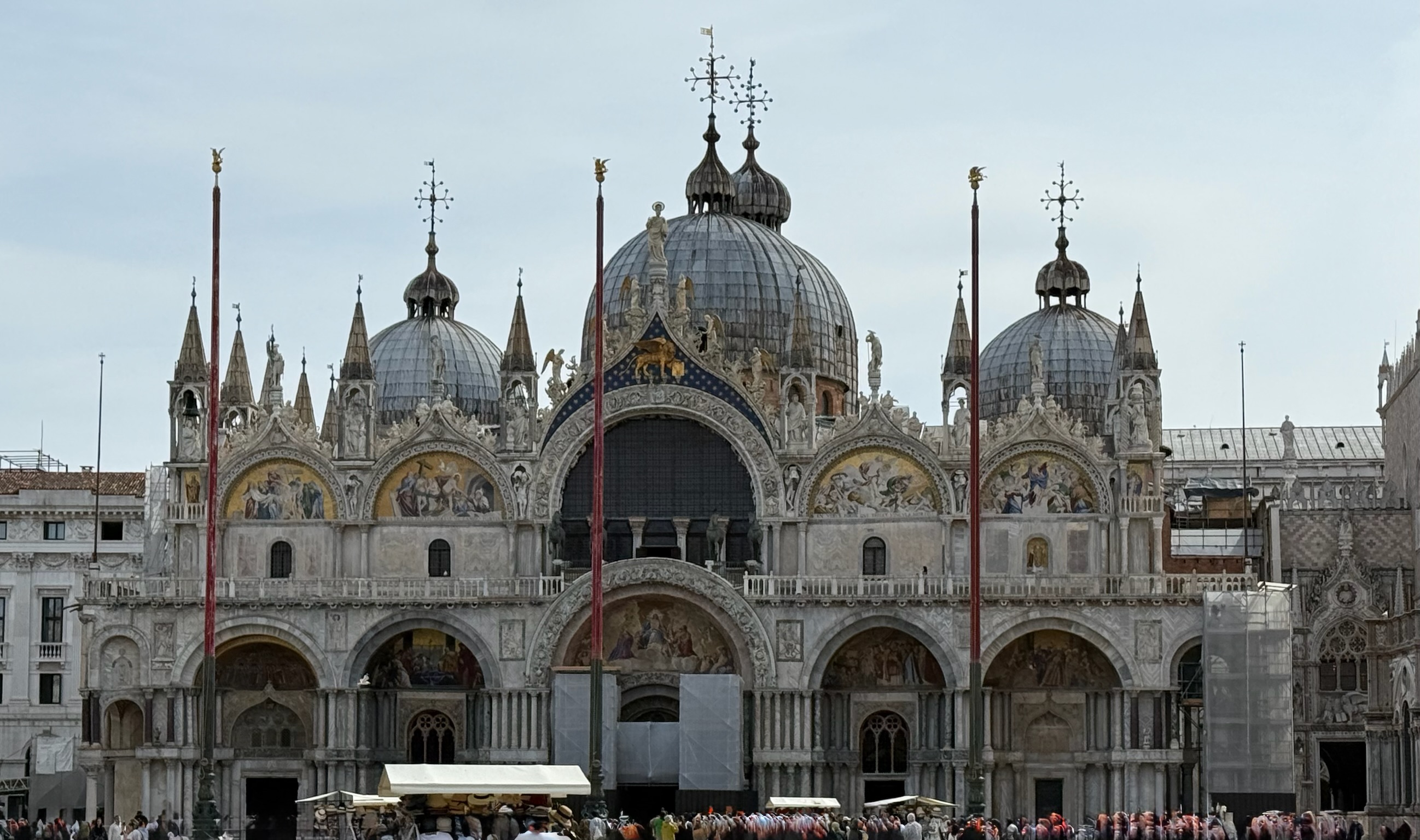
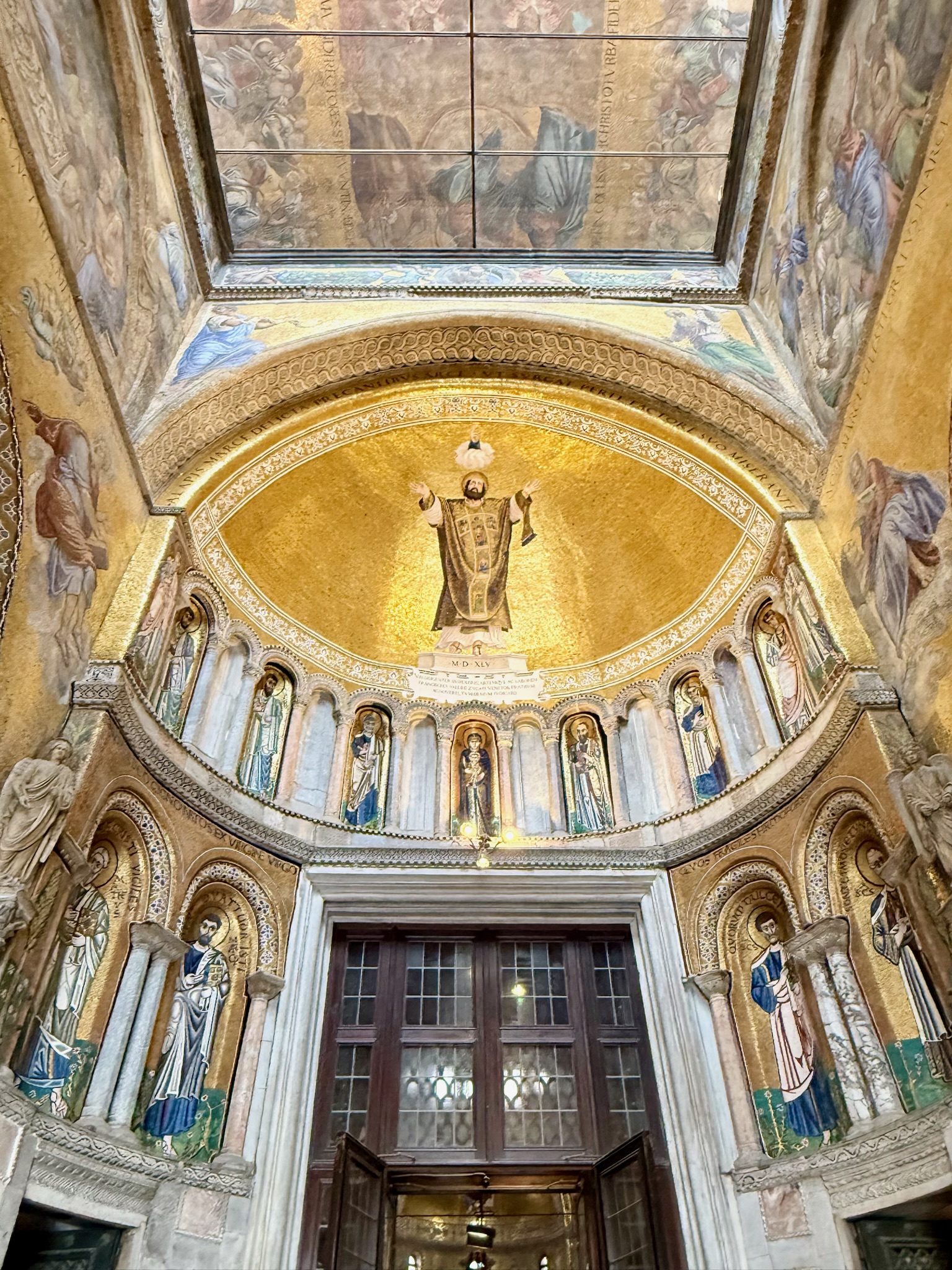
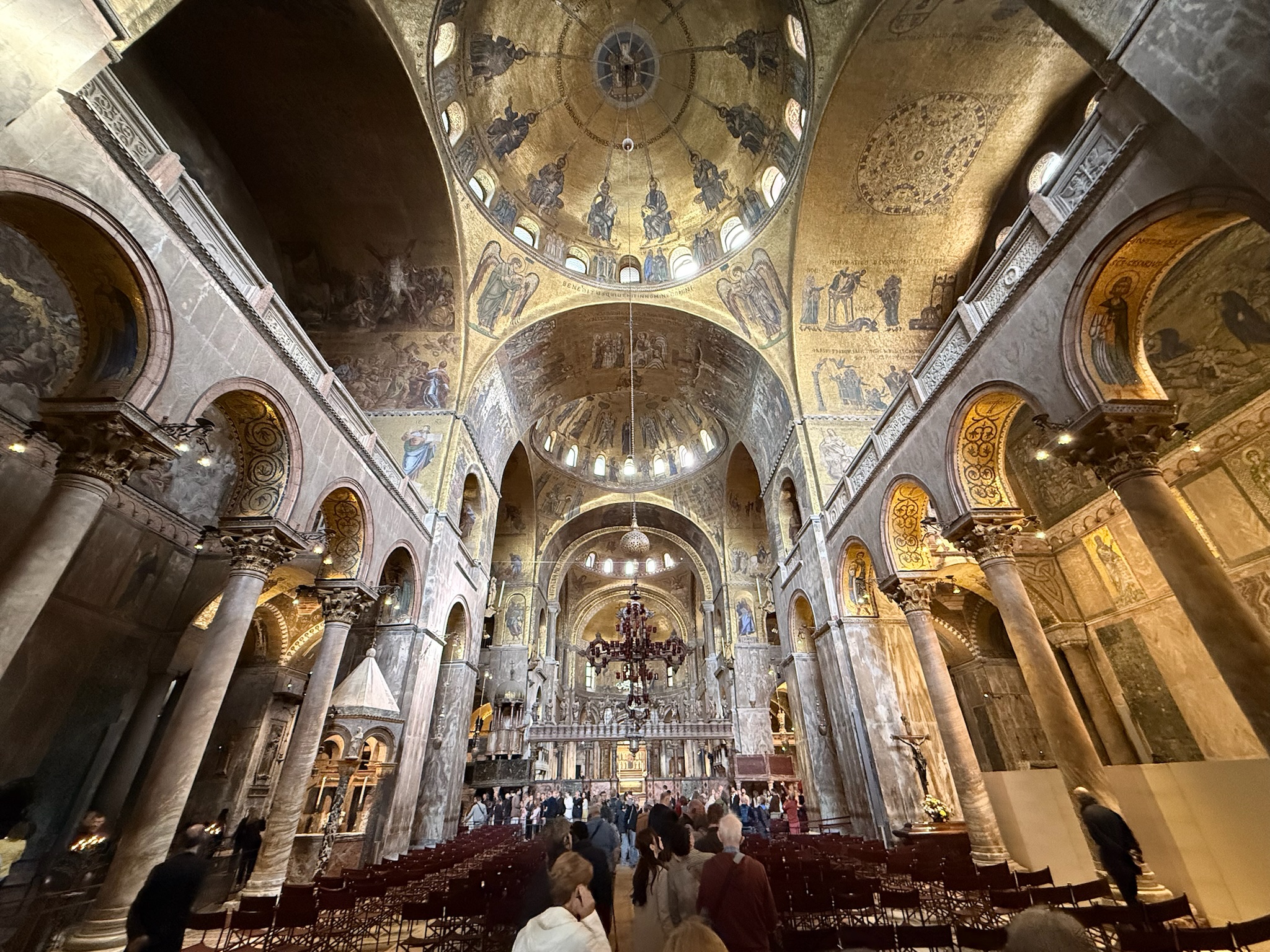
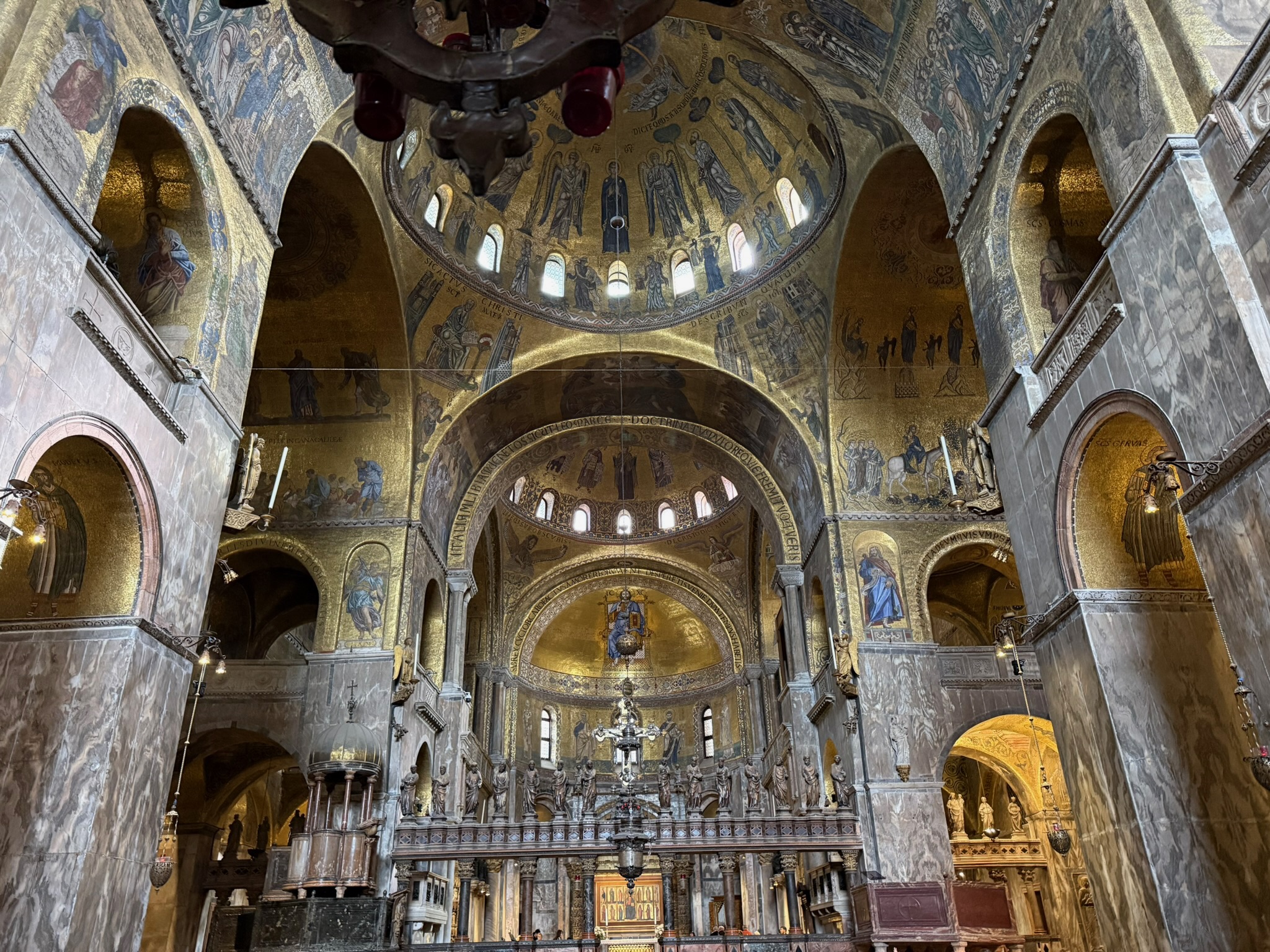
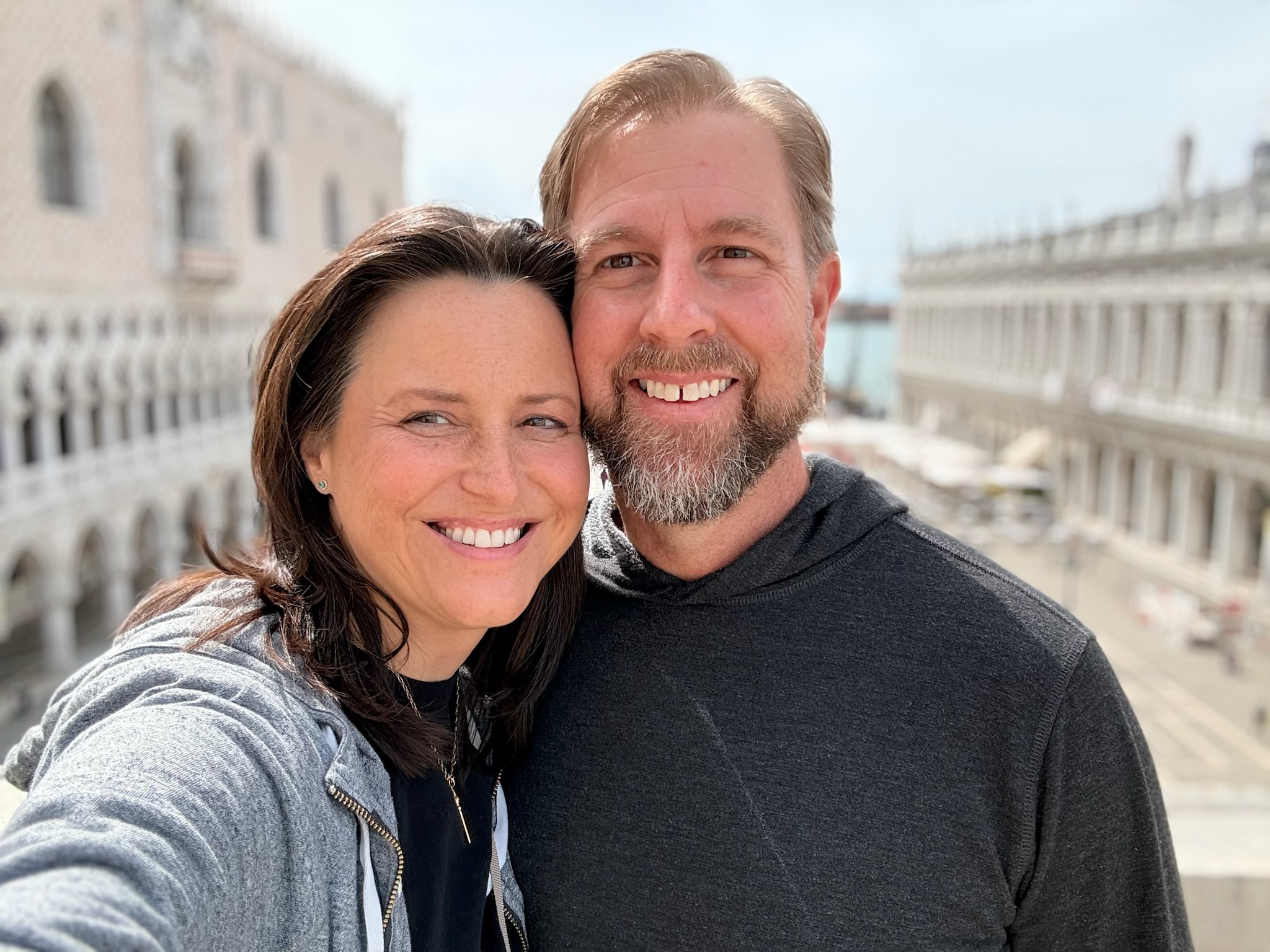
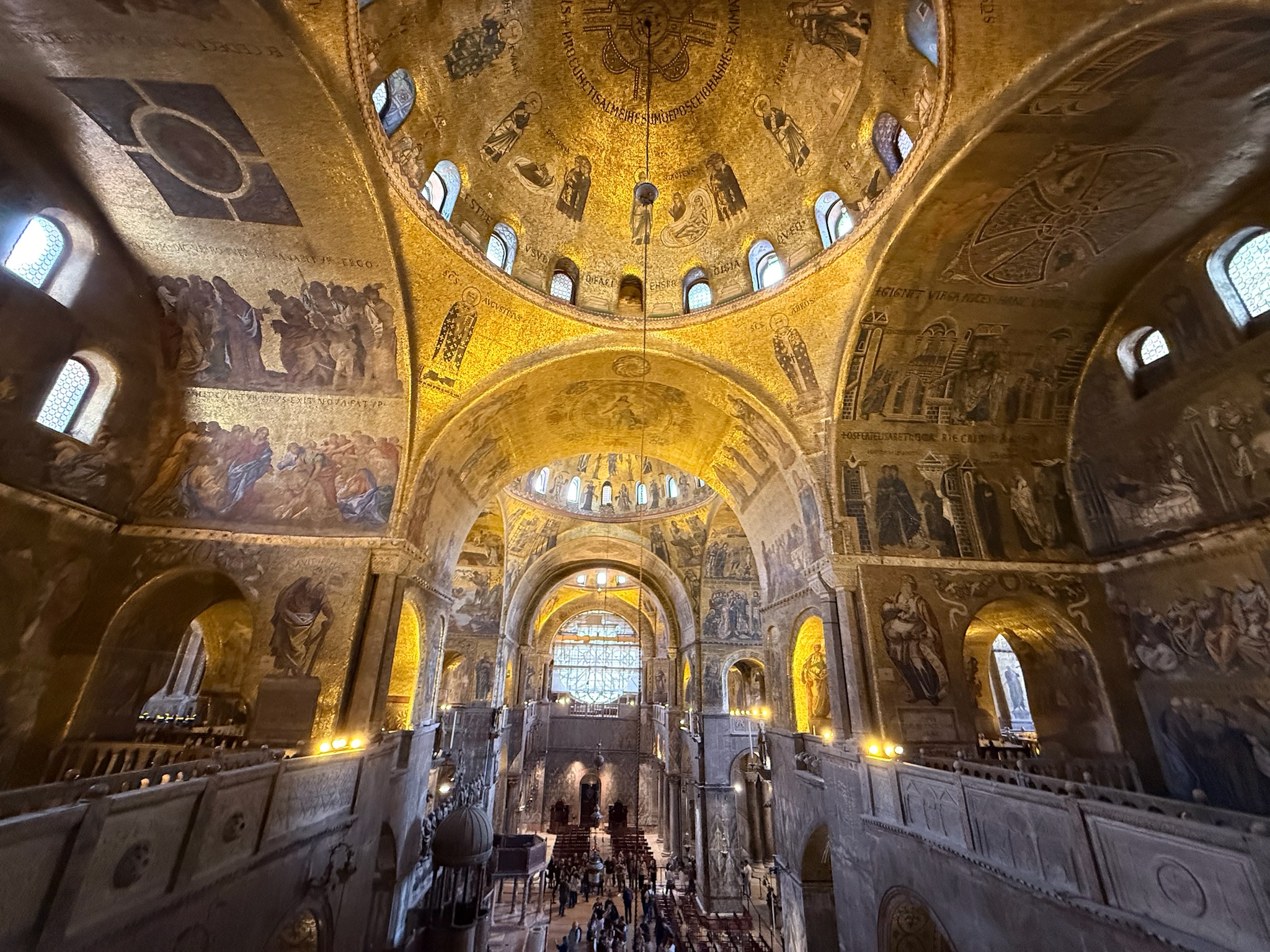
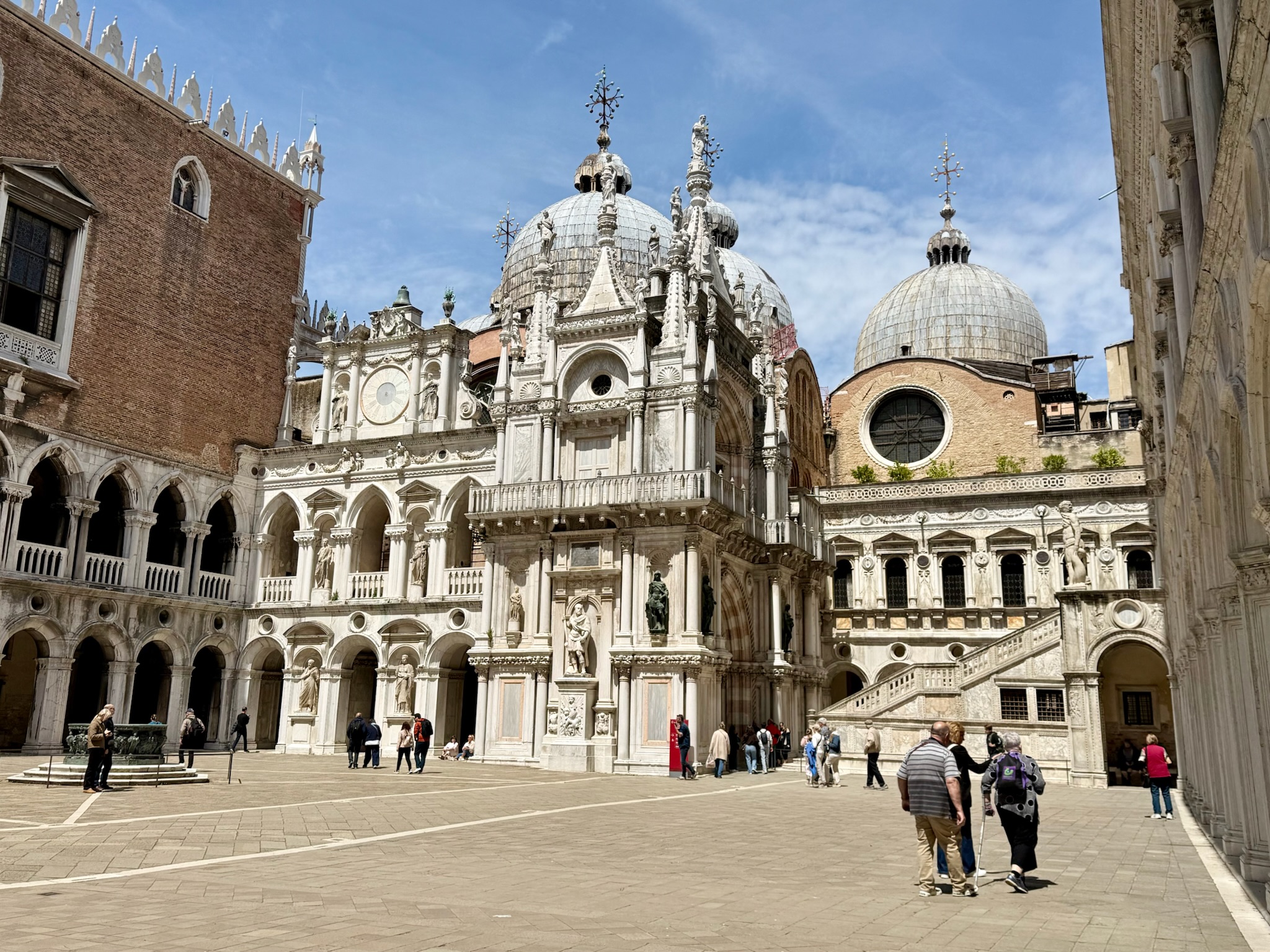
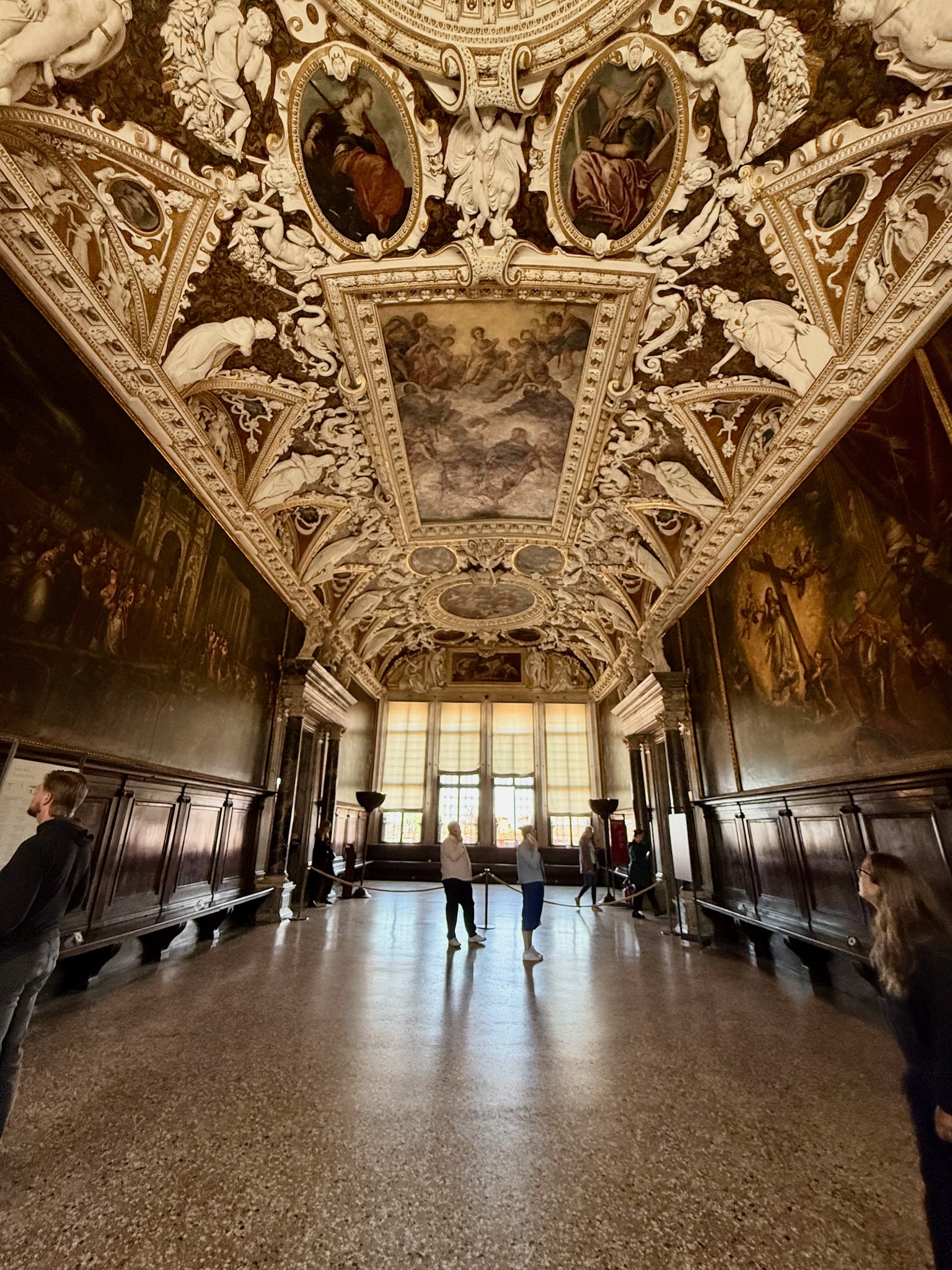
Today we visited St. Mark's Basilica and Doge's Palace, and honestly, it feels almost unreal standing inside places layered with so much history, power, beauty, and human ambition. It's the kind of experience that makes you feel very small in the best possible way.
And the story behind it all is wild.
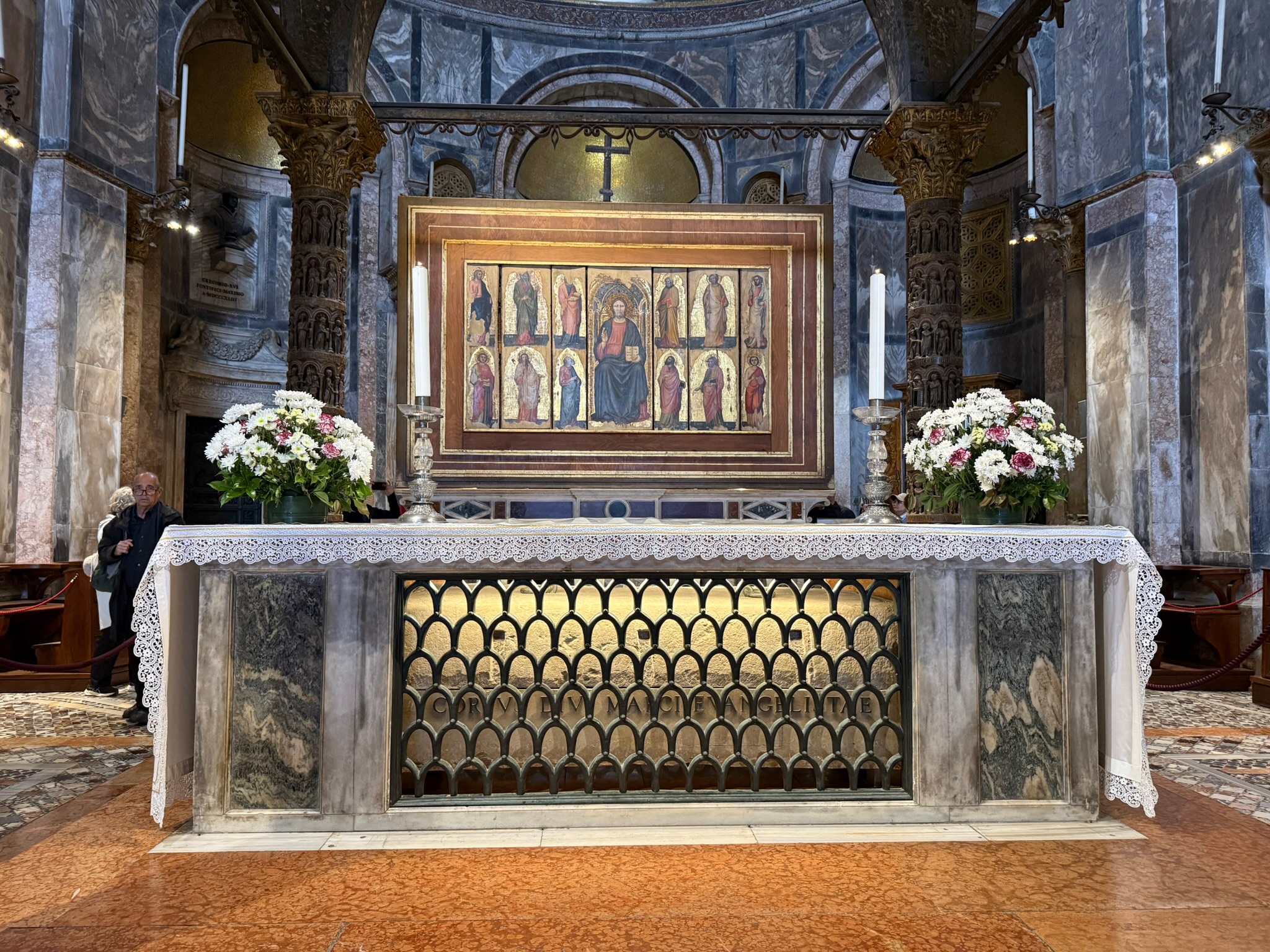
It begins with a heist. In 828 AD, two Venetian merchants traveled to Alexandria, Egypt, and stole the remains of St. Mark the Evangelist, one of the four Gospel writers and the patron saint of Alexandria. To sneak the relics past Muslim customs officials, they hid the bones beneath layers of pork and cabbage, knowing the guards would refuse to inspect the shipment. The relics were brought back to Venice, where St. Mark replaced the Byzantine St. Theodore as the city's patron saint.
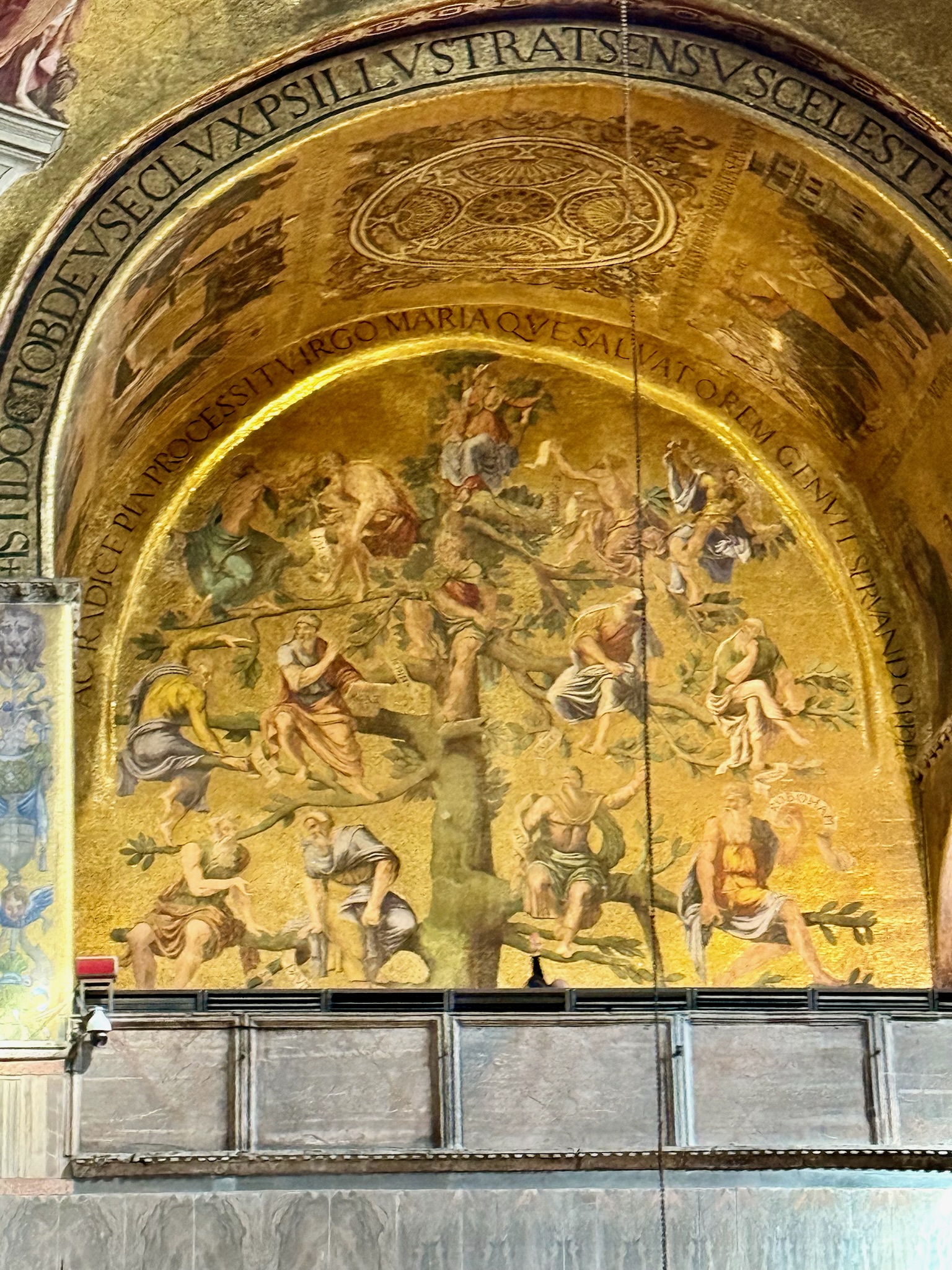
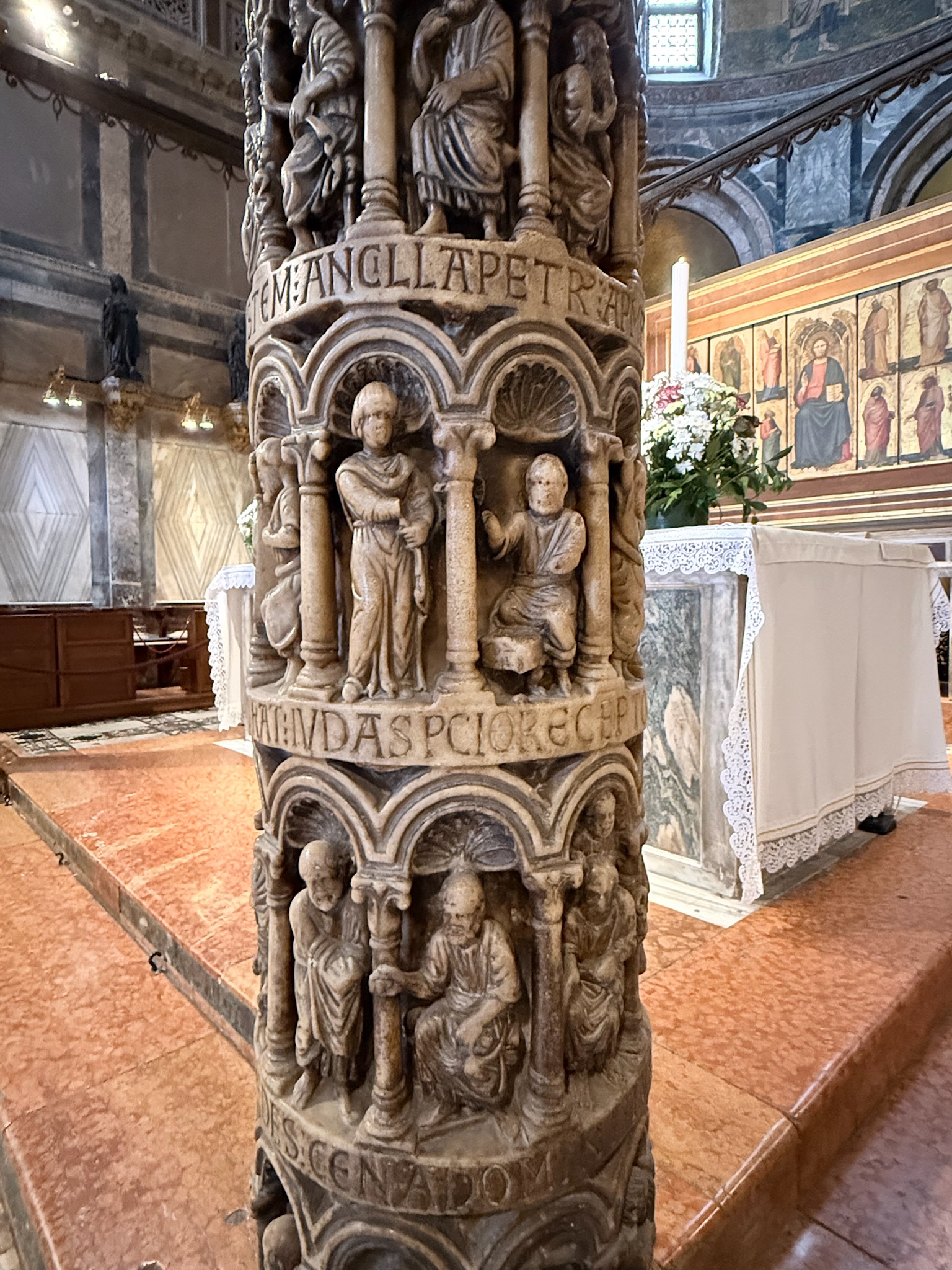
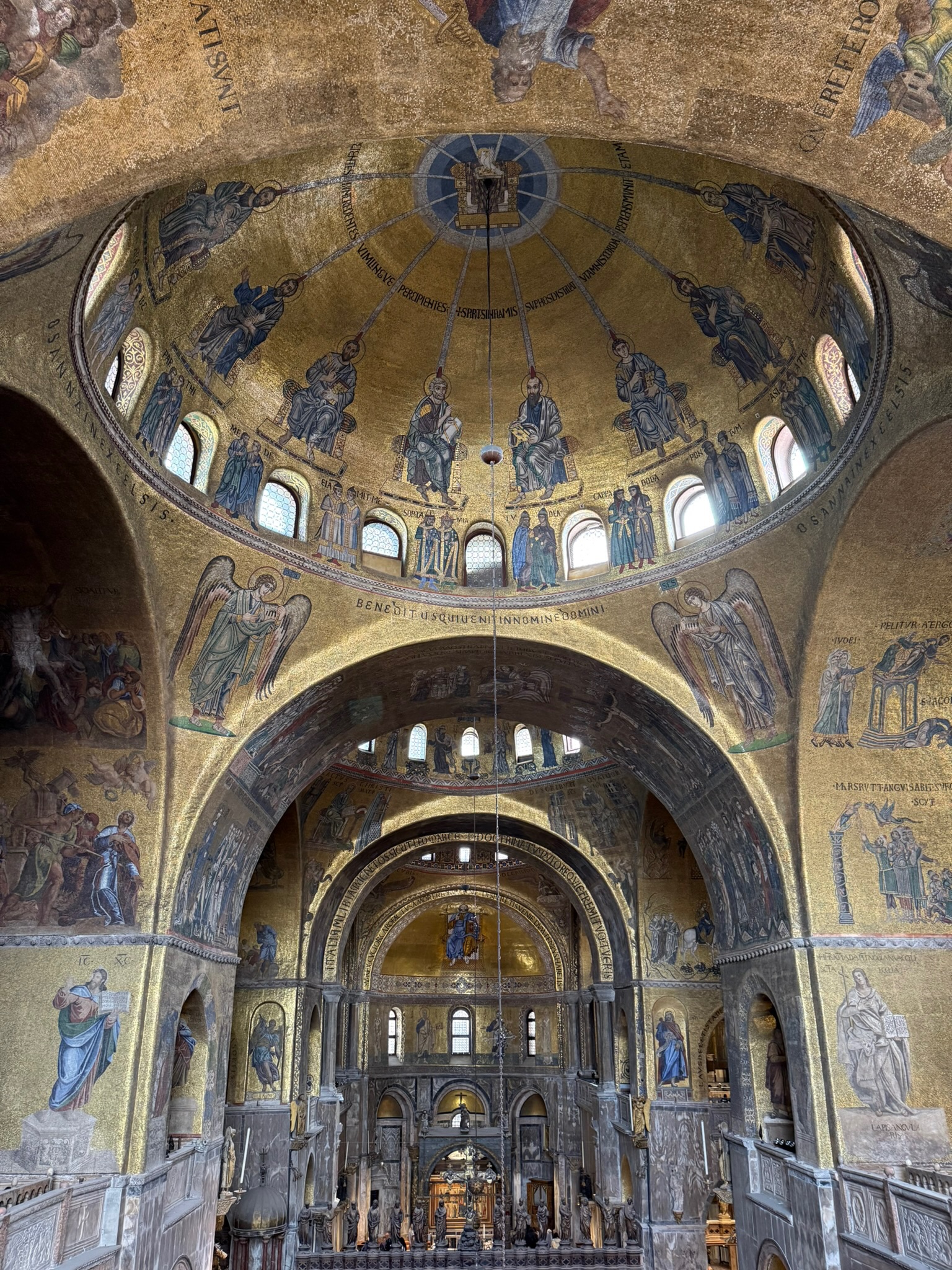
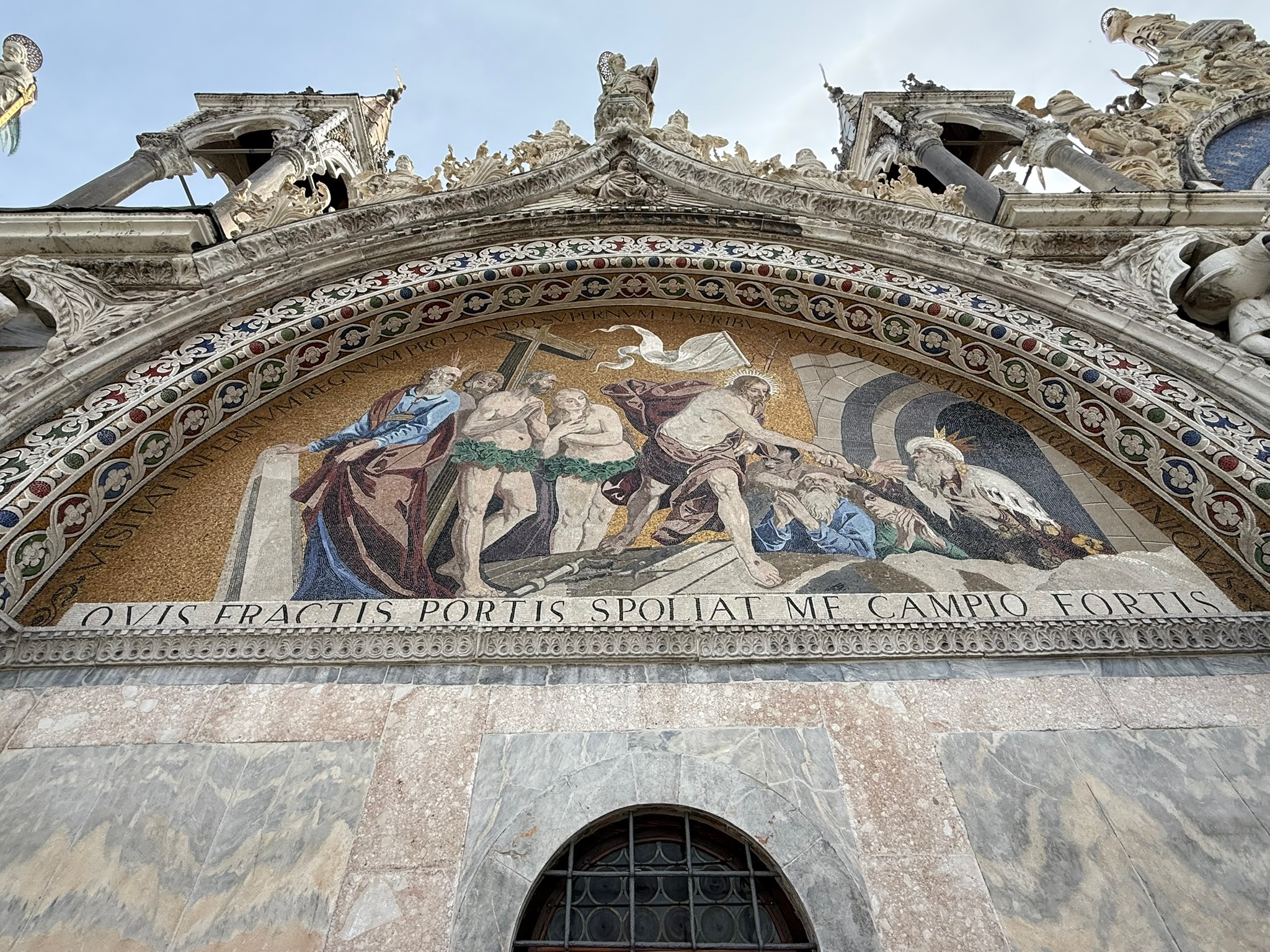
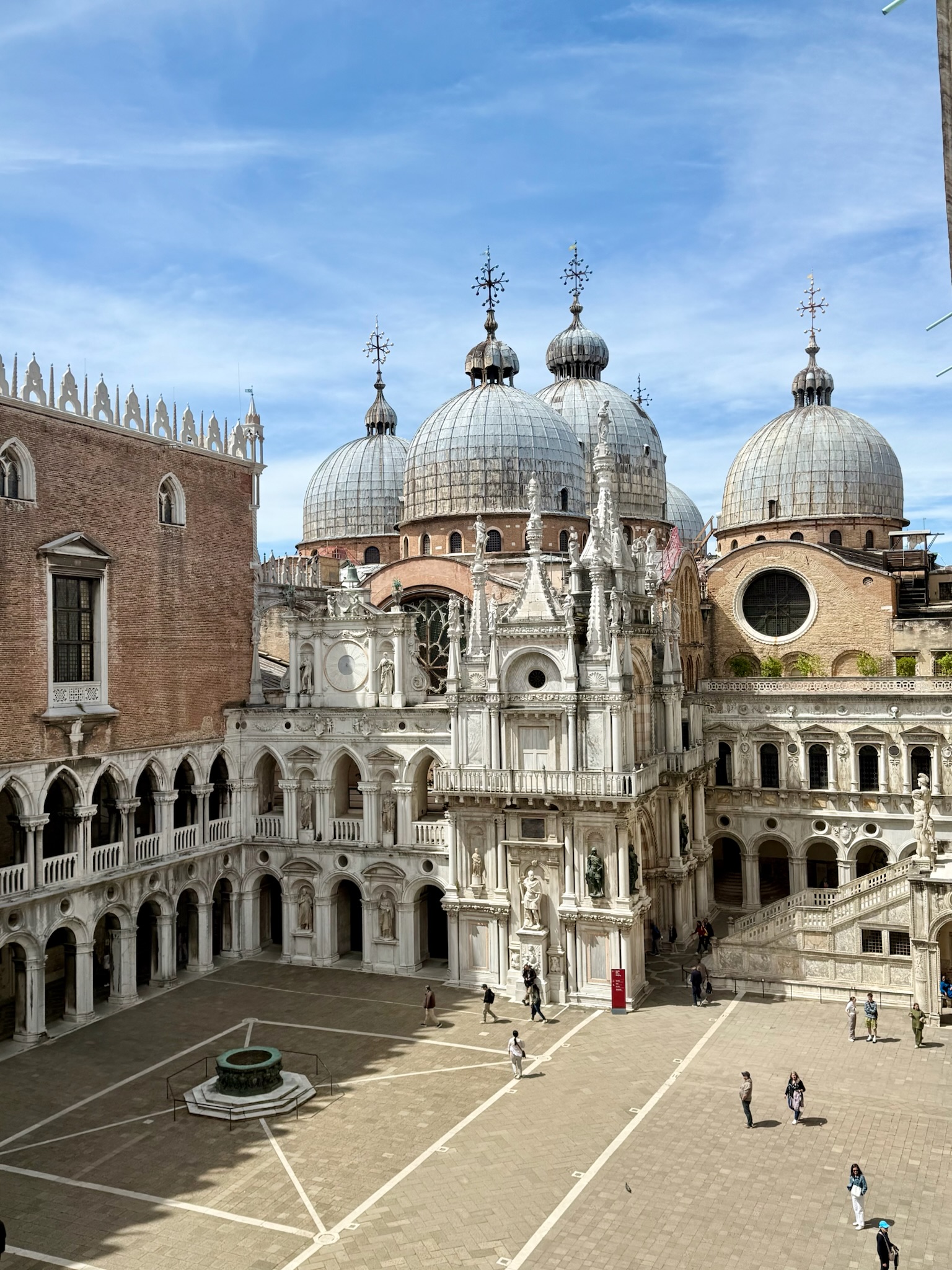
The first basilica was built in 832 to house the stolen relics. It later burned, was rebuilt, and burned again. The magnificent structure standing today dates largely to 1063. Designed in the shape of a Greek cross with five massive domes, it was modeled after the Church of the Holy Apostles in Constantinople. Venice wasn't just building a church, it was declaring itself a rising power, a rival to Byzantium, built in marble, mosaic, and gold.
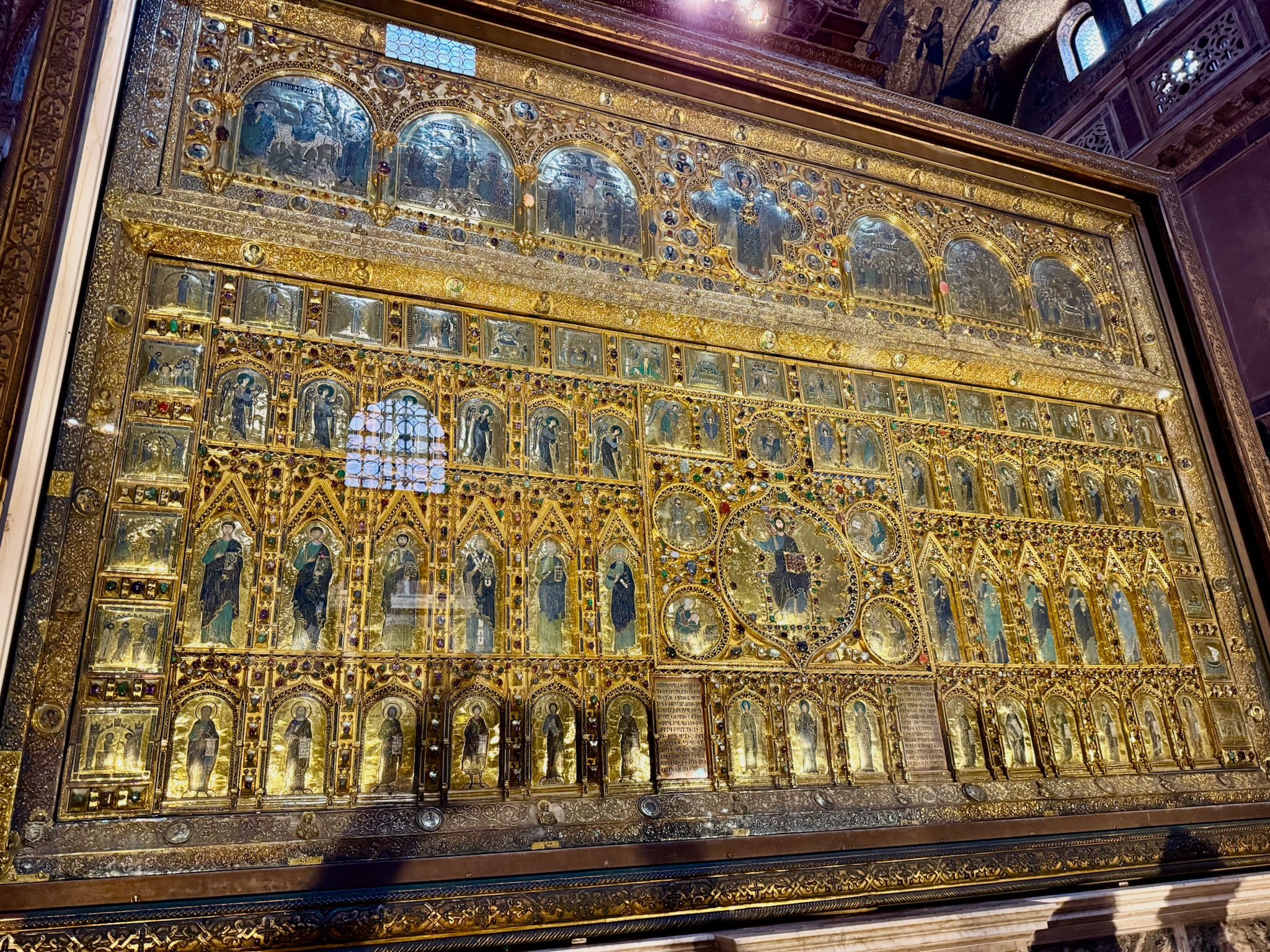
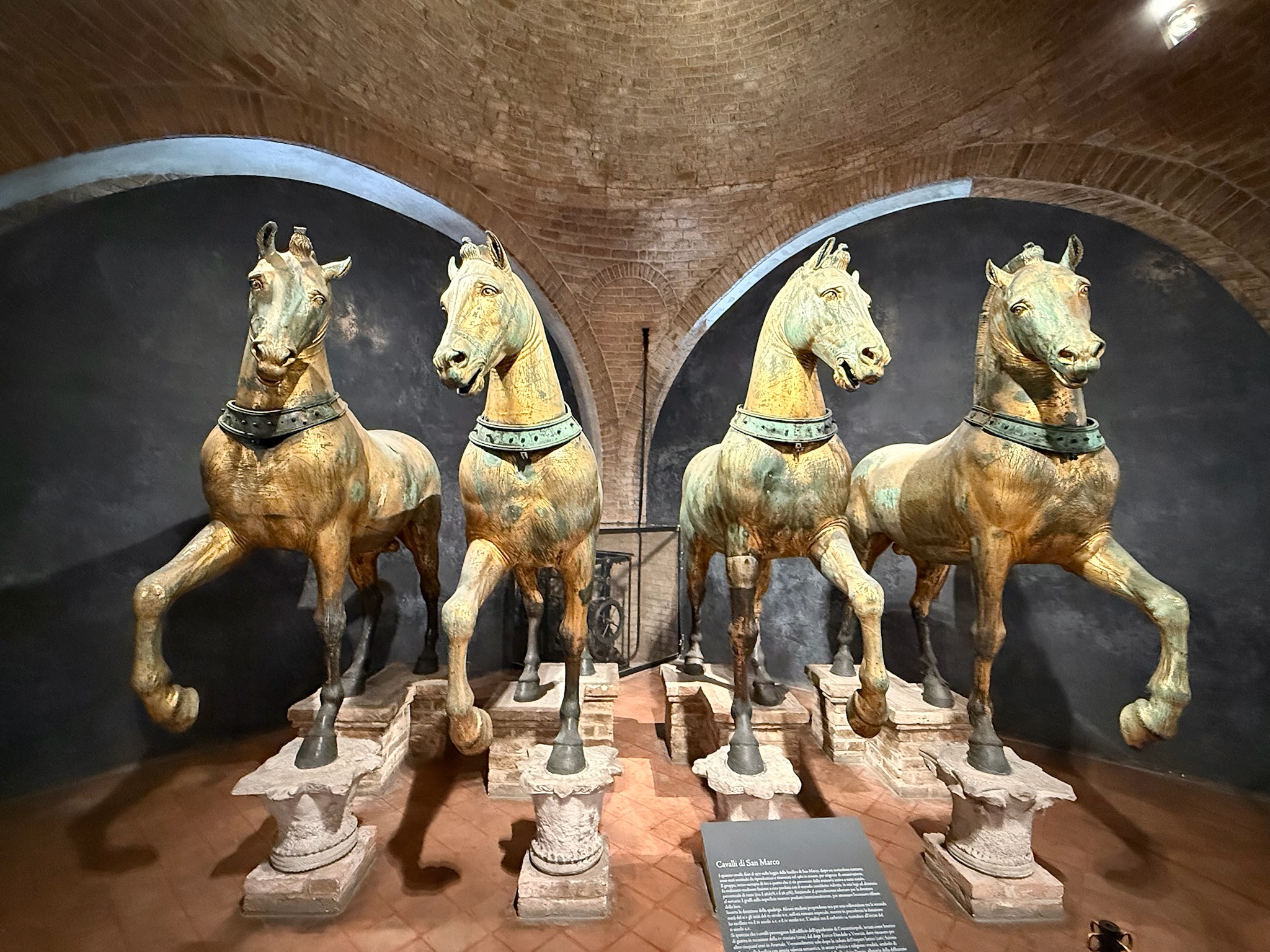
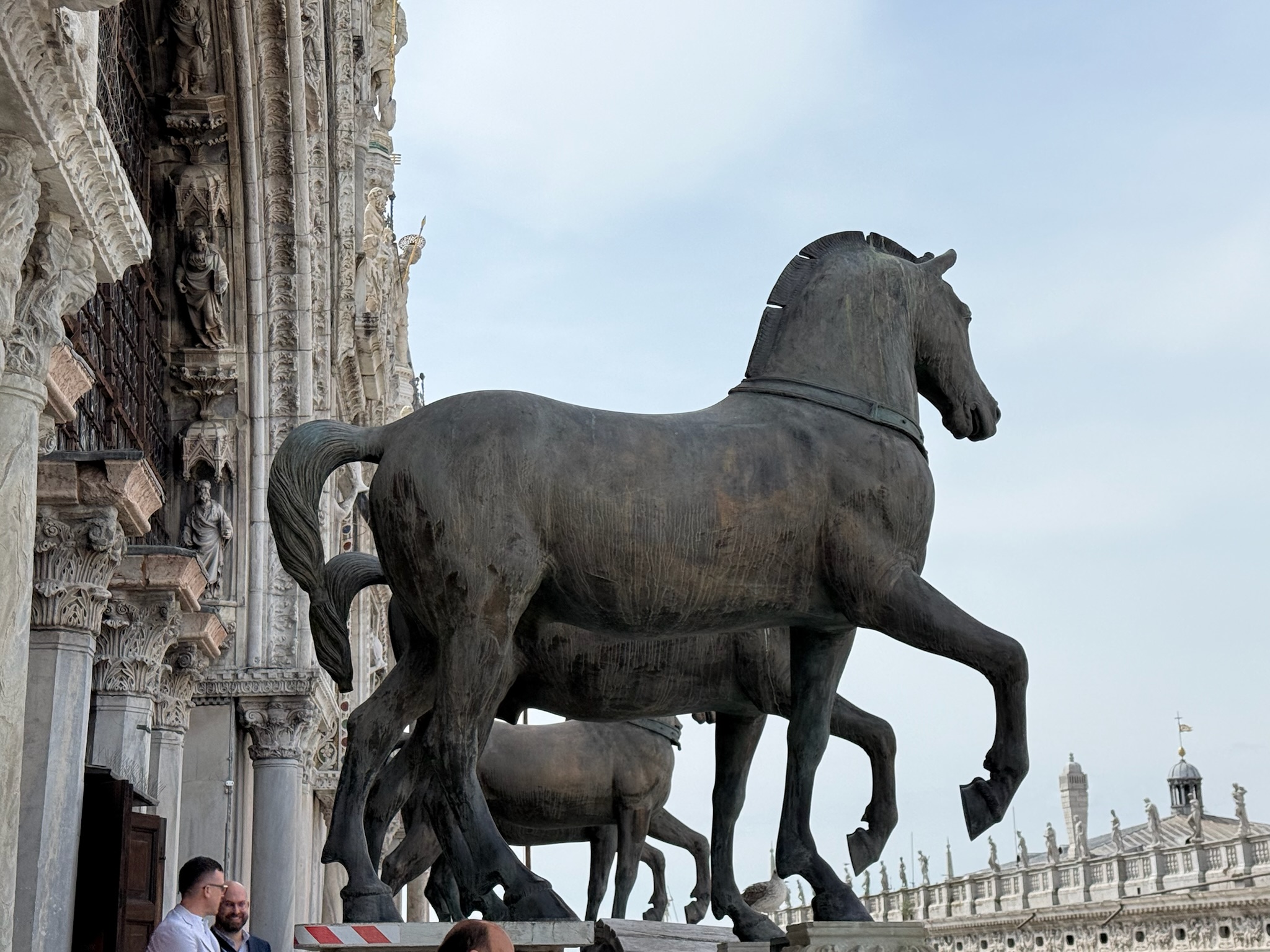
That rivalry became reality centuries later. In 1204, the Fourth Crusade — meant to retake the Holy Land — instead turned on Constantinople itself, sacking the greatest Christian city in the world under the direction of Enrico Dandolo, Venice's blind, ninety-year-old doge, who by most accounts personally led the assault on the city's sea walls from the front of a galley. Half the plunder ended up in Venice, which is exactly why the basilica feels less like a single church and more like a warehouse of Byzantine treasure — the bronze horses above the entrance included. Venice built an empire less through conquest than through commercial ambition and timing, and nowhere is that clearer than standing inside St. Mark's.
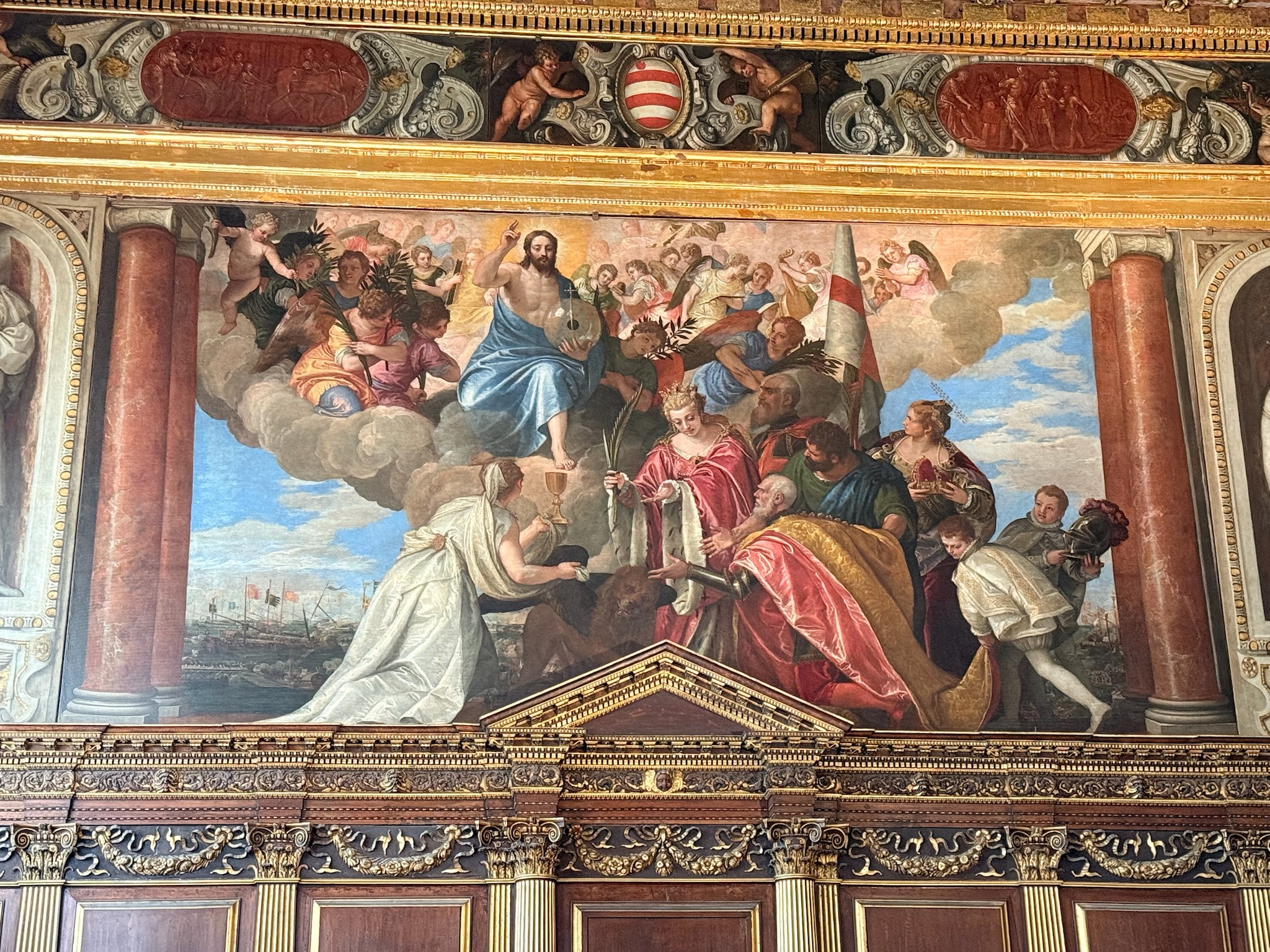
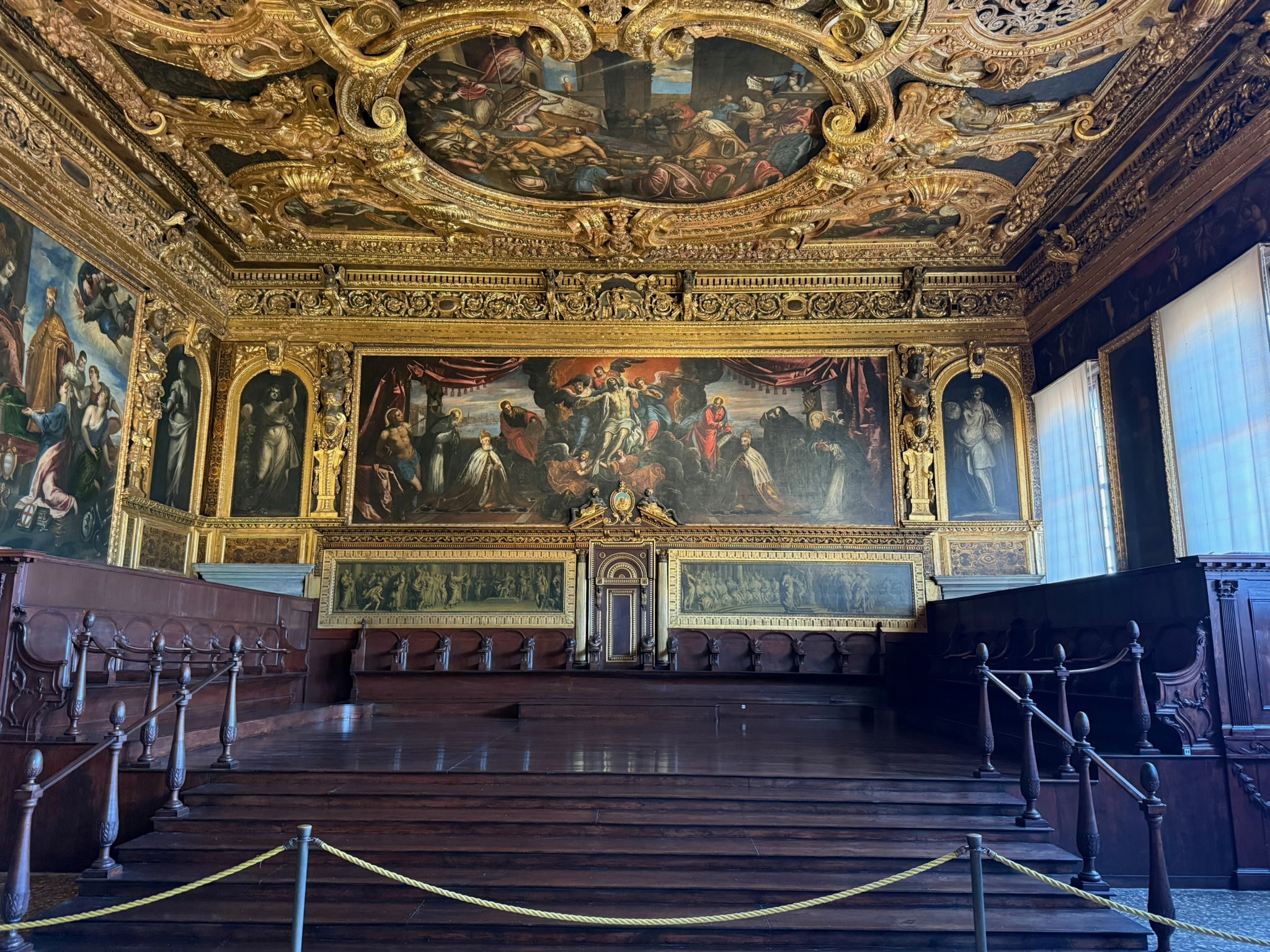
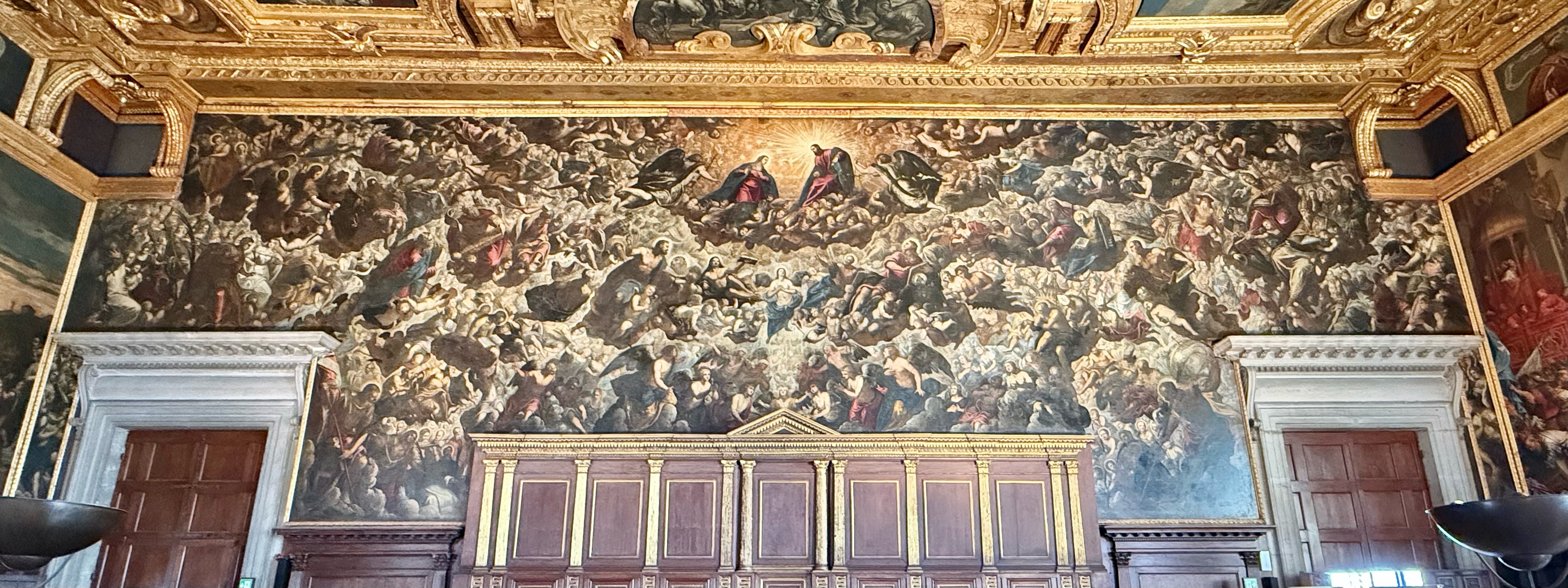
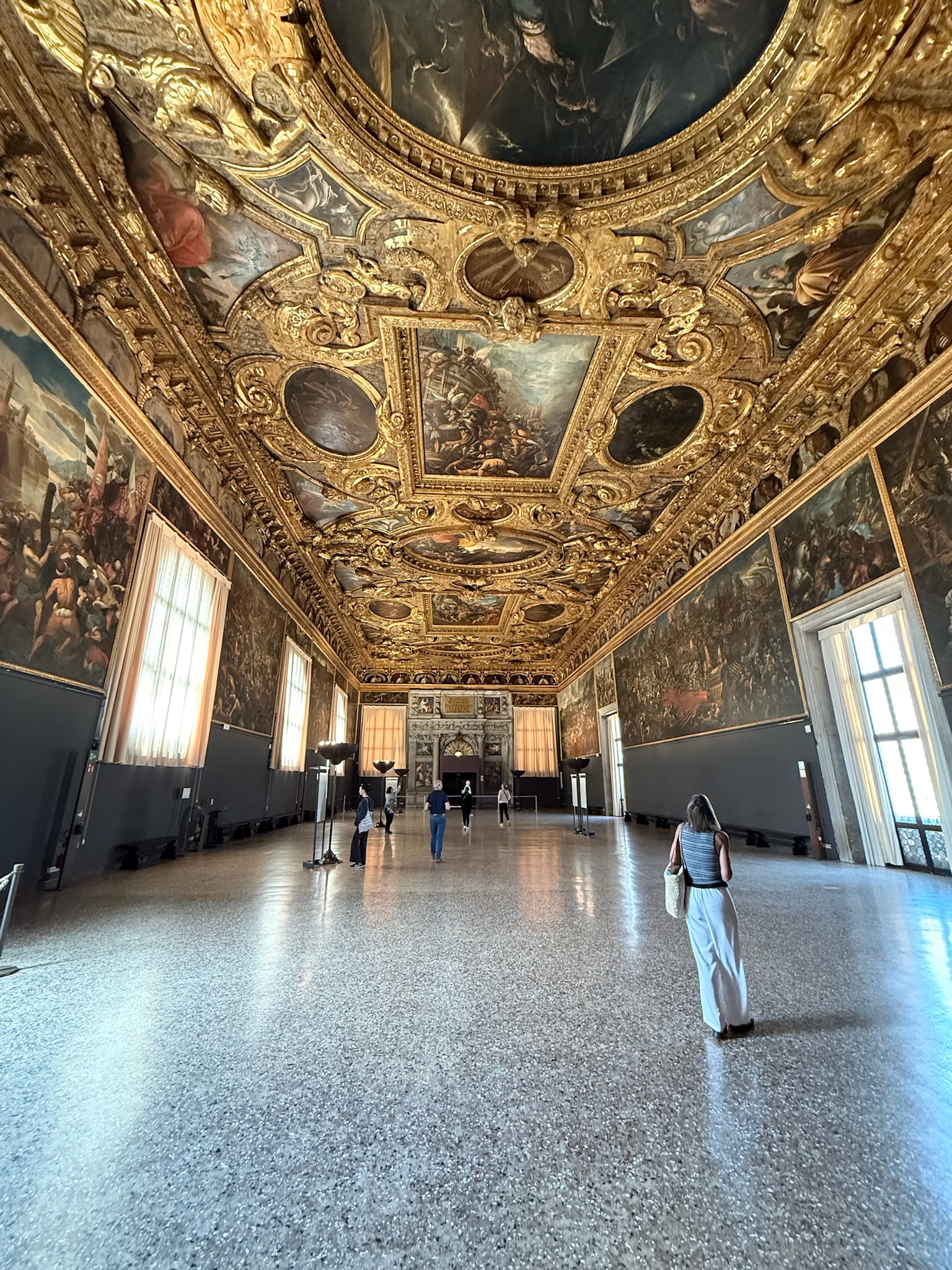
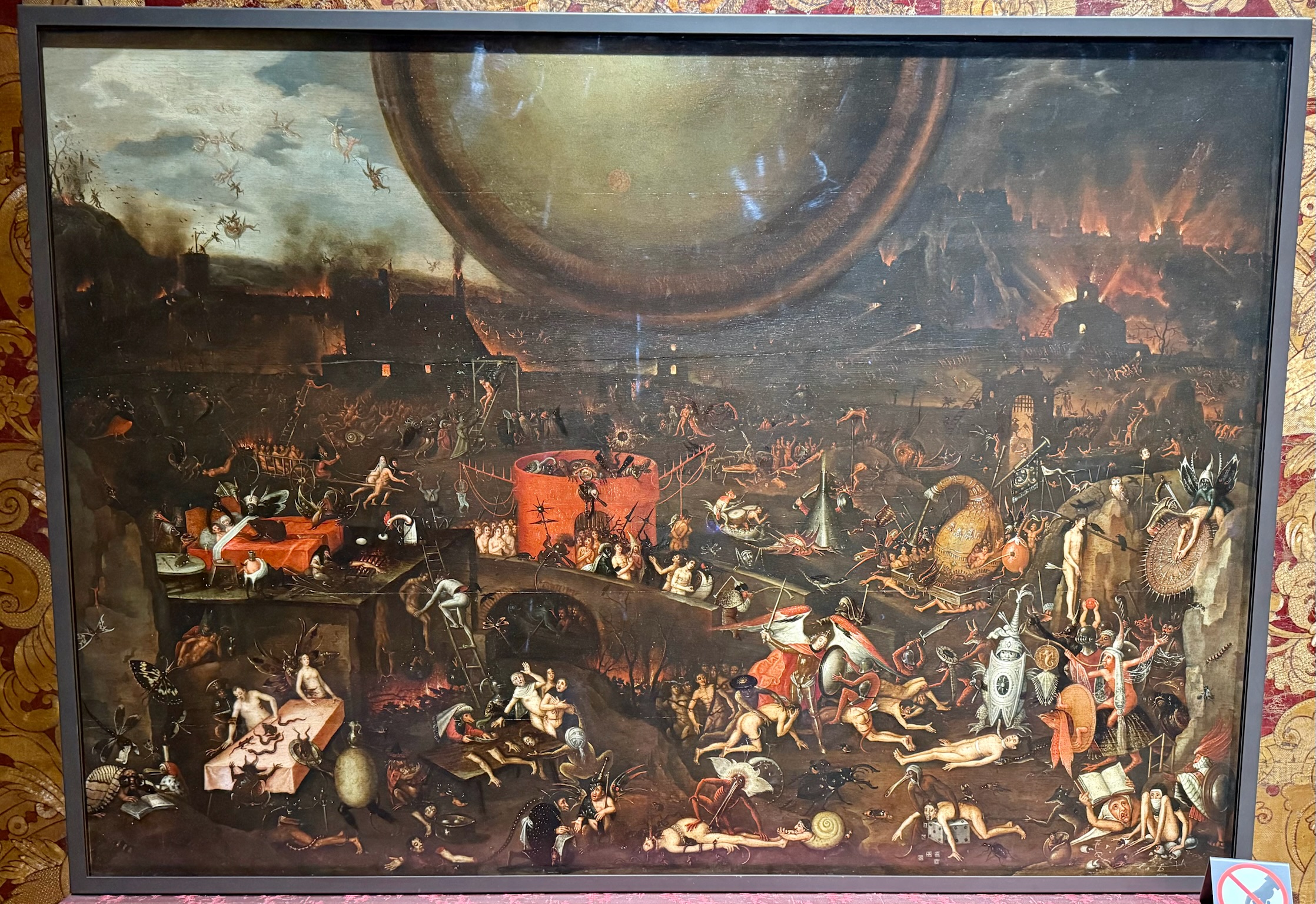
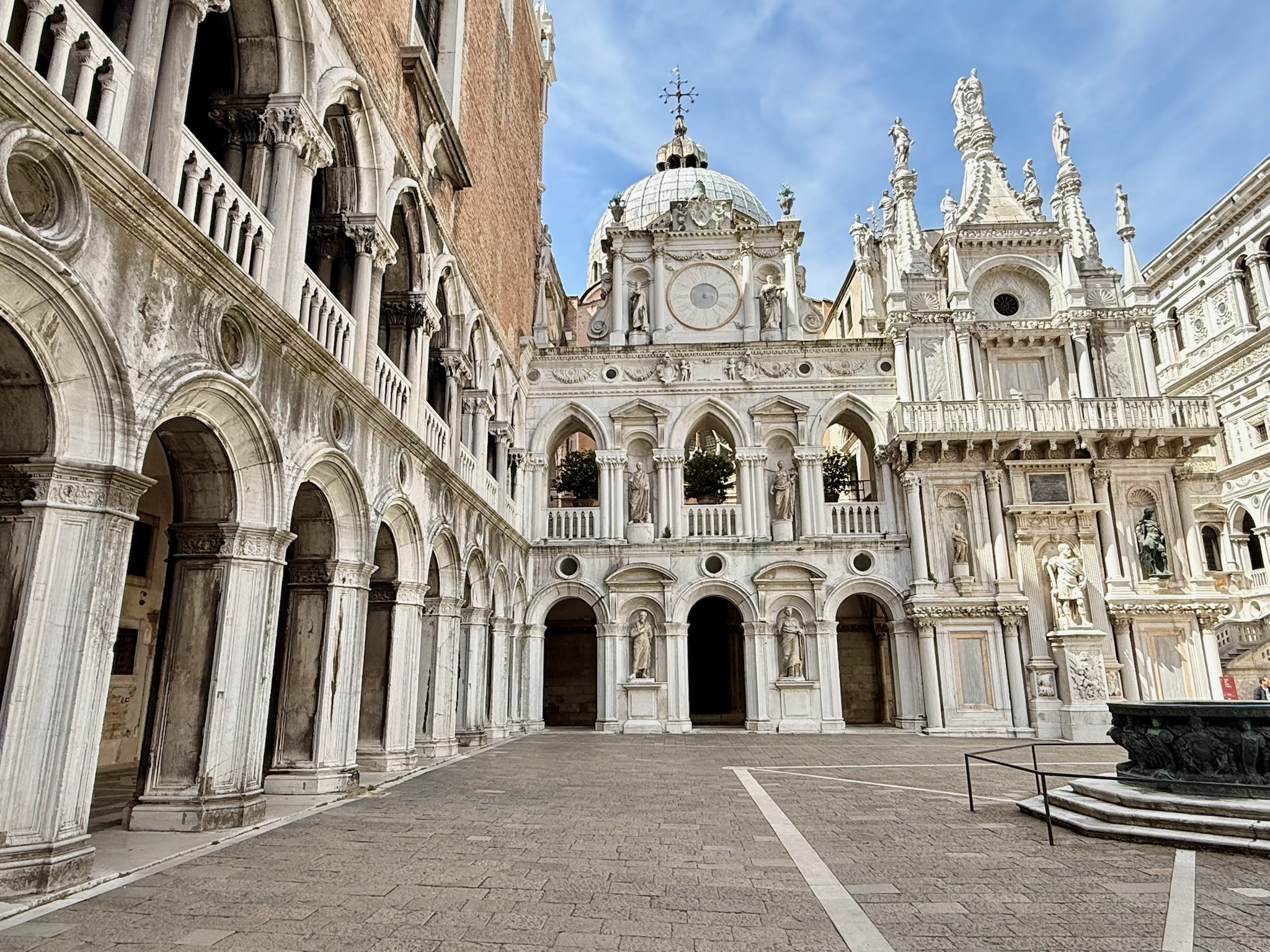
The Doge's Palace has its own quieter connection to the Bosch paintings we'd just seen at the Accademia — the Grimani collection that once included those small, strange panels was actually housed right here, inside these walls, for generations before the works eventually moved across the city. Standing in the same rooms that once held them adds another layer to a building already thick with history.
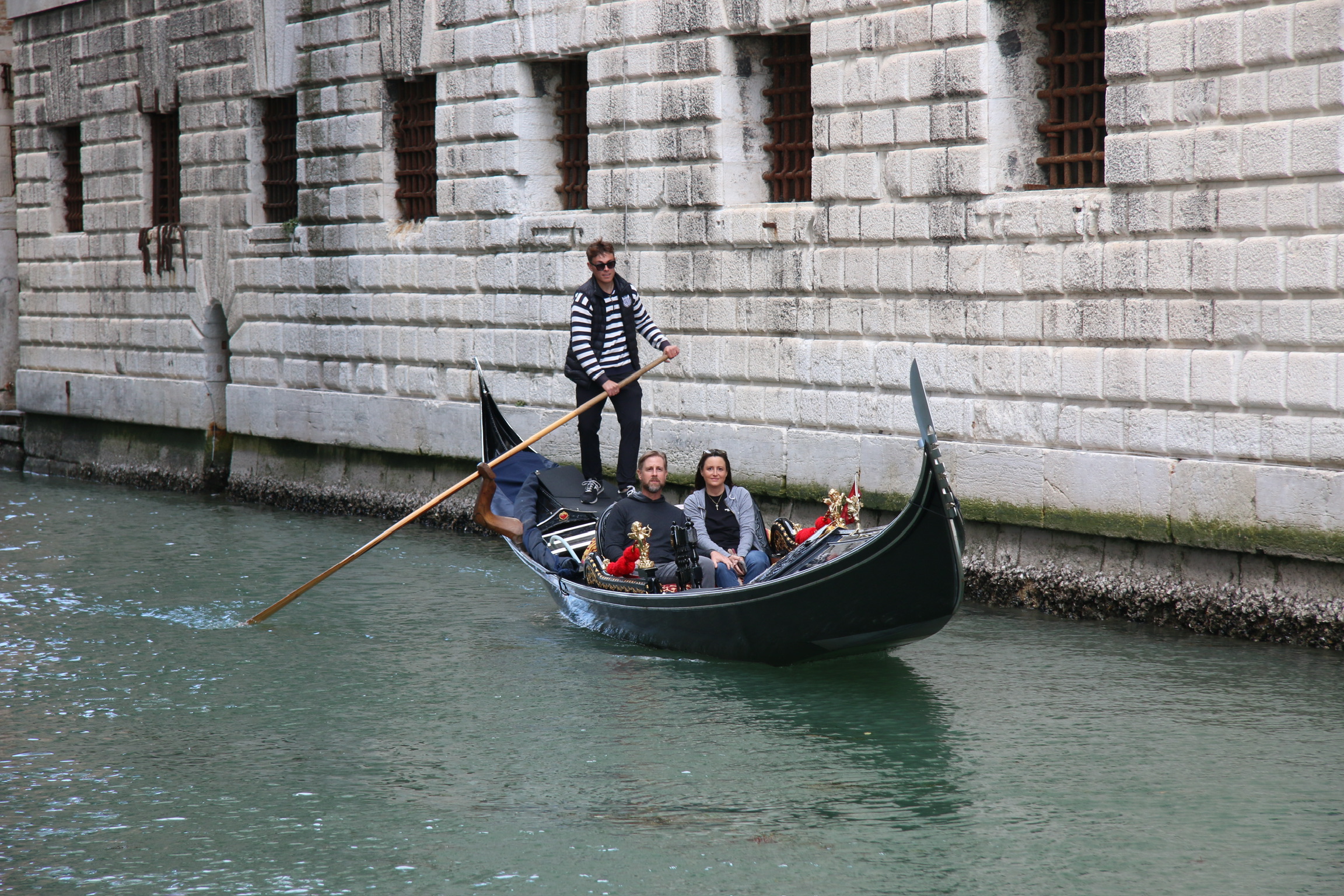
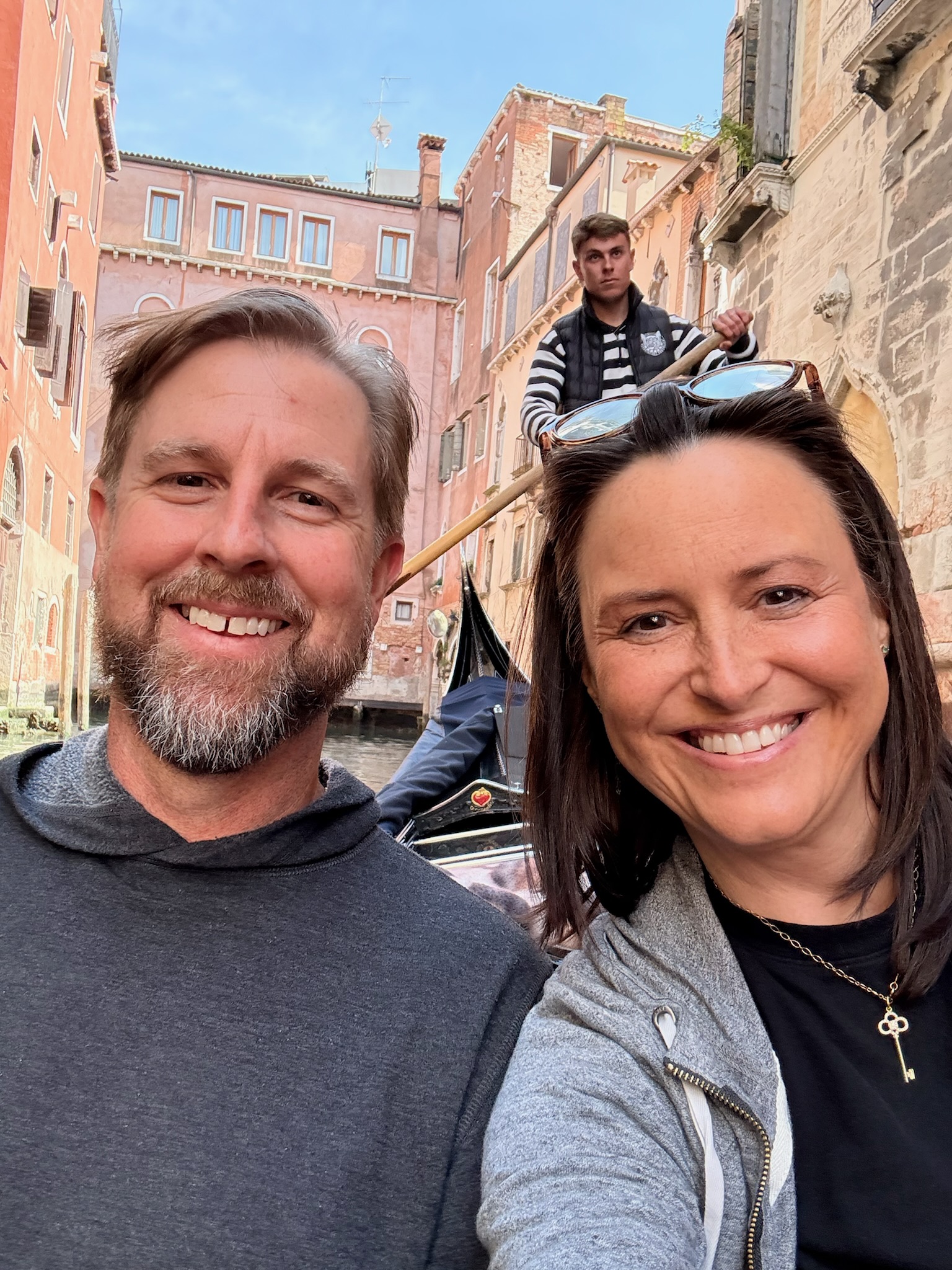
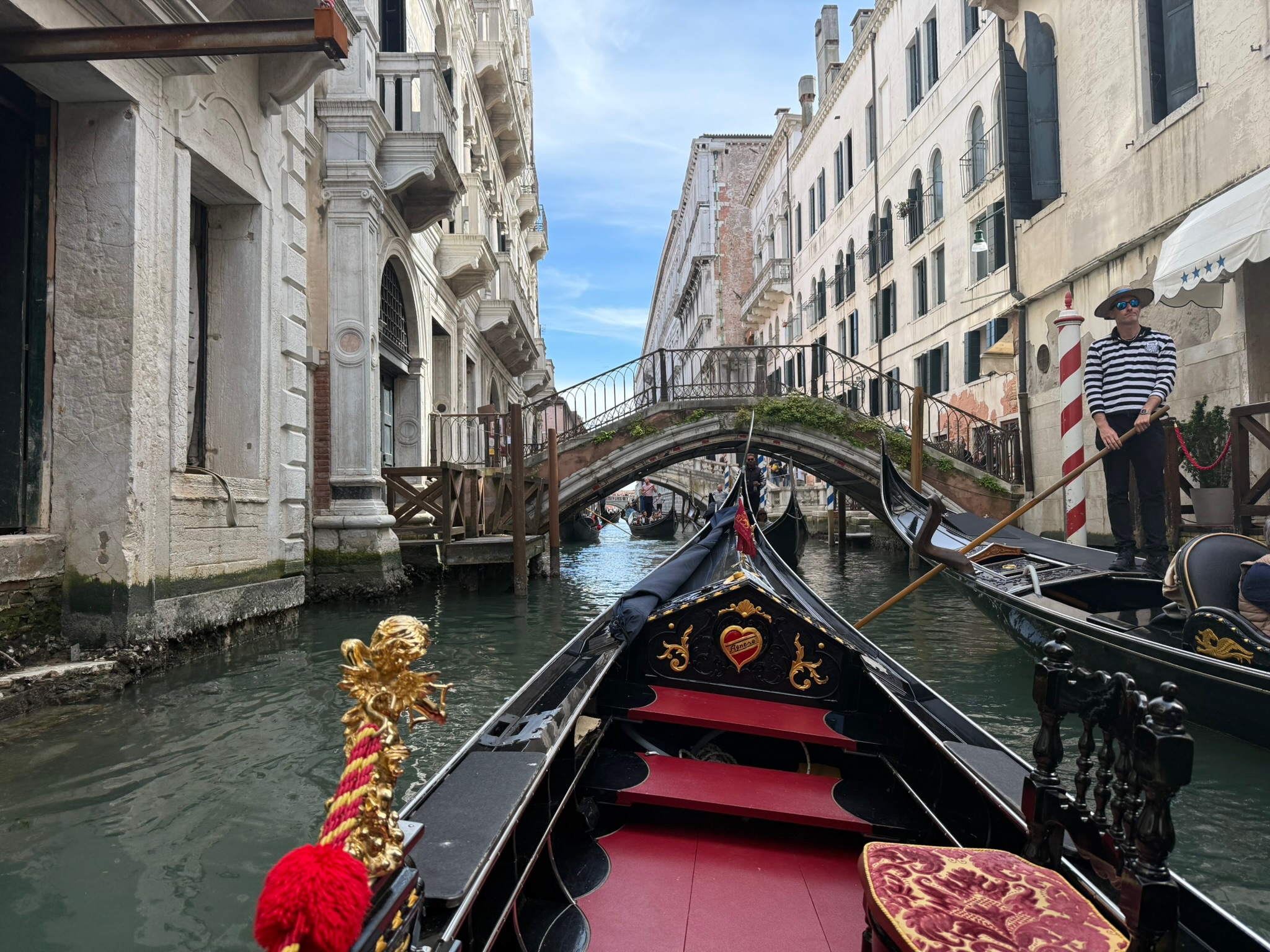
After exploring St. Mark's and the Doge's Palace, we slowed things down with a relaxing gondola ride through the canals. Gliding quietly beneath tiny bridges and past centuries-old buildings felt like stepping into another world entirely. Venice really is unlike anywhere else on earth.